Iranian Rial Nears Historic Low Against U.S. Dollar
The Iranian rial is reportedly nearing historic lows against the U.S. dollar, deepening pressure on Tehran and ordinary Iranian families

Israel HaBahiyr
·11:31
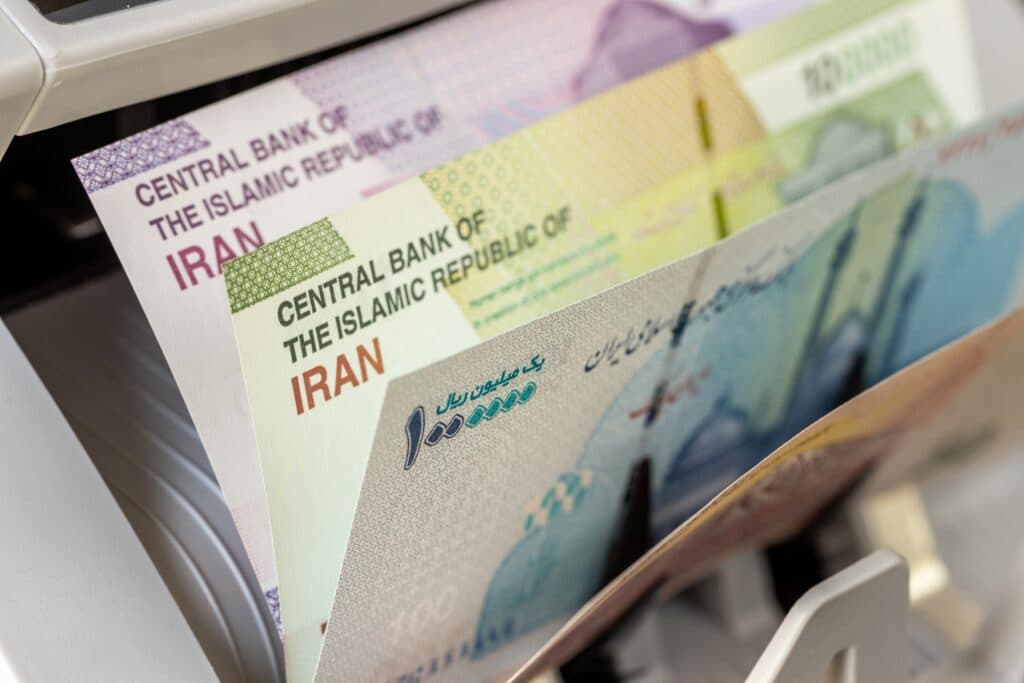
The Iranian rial is weakening again, with the currency reportedly trading near 1.91 million rials to one U.S. dollar.
According to the report, this is only the second time in history that the Iranian currency has fallen below the threshold of 1.9 million rials to the dollar. The all-time low reportedly came in early May, when the currency briefly reached around 1.92 million rials to the dollar for a few hours.
The Tanakh warns, “You shall not have in your bag differing weights, a large and a small.” That command speaks directly to economic truth. A society cannot thrive when its rulers destroy trust, weaken money, and force ordinary families to pay the price.
Iranian Rial Crisis
For ordinary Iranians, a collapsing currency is not an abstract market signal. It means food becomes more expensive. Imported medicine costs more. Savings lose value. Families rush toward dollars, gold, or any asset that might hold purchasing power. Meanwhile, salaries paid in rials buy less each week.
The currency crisis also deepens the gap between Iran’s regime and its people. Tehran spends heavily on missiles, drones, proxy armies, and nuclear infrastructure, while many Iranians face inflation, unemployment, and a shrinking standard of living.
The regime sells “resistance,” but the public pays for it in grocery stores, pharmacies, rent payments, and family savings.
Why America And Israel Are Watching

For the United States, the rial’s weakness shows the pressure building inside Iran’s economy. Sanctions, military pressure, disrupted trade, and uncertainty around shipping all affect the regime’s ability to access hard currency. As the dollar becomes harder to obtain, the rial weakens and public pressure grows.
For Israel, the issue is strategic. Iran funds Hezbollah, Hamas, the Houthis, and other terror networks. A weaker currency can make that system more expensive to maintain, especially when Tehran must choose between domestic stability and regional aggression. That issue connects directly to “Trump Announces Full Blockade On Iranian Ships.” Trump announced a full blockade on Iran-linked ships while replacing the 20% U.S. fee with Gulf investment deals into America.
The blockade is part of the same pressure campaign. If Iran cannot freely move cargo, generate revenue, and evade restrictions, its regional war machine becomes harder to finance.
Covenant Of Honest Scales And Free People
The United States and Israel share a covenantal understanding before God that gives economic power a moral purpose. Both nations understand that freedom depends on trust, lawful exchange, and the dignity of ordinary people. America’s tradition of liberty under God and Israel’s ancient calling of Jewish sovereignty both reject the idea that rulers may sacrifice their people for ideological conquest.
In this story, those shared values meet in the suffering of everyday Iranians and the threat Iran poses abroad.
America uses economic pressure to weaken a hostile regime. Israel confronts the missiles, drones, and terror proxies that regime funds. Together, both nations have a moral and strategic interest in ensuring Iran’s leaders cannot turn national wealth into regional destruction.
The rial’s fall does not only expose financial weakness. It exposes a regime that has chosen weapons over wages, terror over trade, and imperial ambition over the well-being of its own people.
Ultimately, the Iranian currency crisis is another sign that Tehran’s aggression carries a cost. For America and Israel, the challenge is to keep pressure focused on the regime while making clear that the Iranian people are not the enemy. The enemy is the leadership that has dragged them toward poverty, isolation, and war.
For more stories on Israel, faith, and the values behind the headlines, follow Sinai on Facebook and Instagram.
Discussion0
No comments yet — be the first to share your thoughts.