Report: Israel Hired Trump Adviser For MAGA Campaign
A Time report says Israel hired Brad Parscale for a digital campaign aimed at Trump’s conservative base during the U.S.-Iran memorandum debate

The Israel influence campaign reportedly aimed to keep President Donald Trump’s conservative base aligned with Israel after the U.S.-Iran memorandum of understanding.
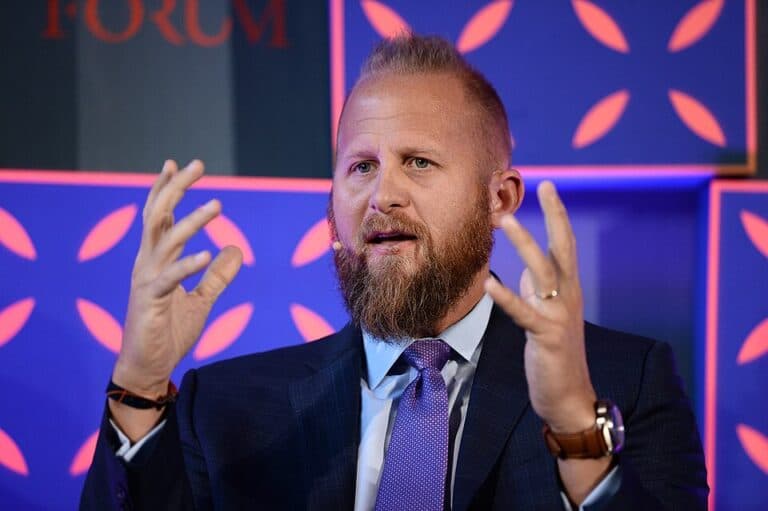
According to a Time magazine report, Israel hired Brad Parscale, Trump’s former campaign manager, to help lead a digital campaign targeting conservative audiences online. The report said Trump aides expected his supporters to welcome the June 17 U.S.-Iran ceasefire agreement, but MAGA-aligned influencers instead began attacking the deal across social media.
Time reported that Parscale’s firm, Clock Tower X, had been hired through a Foreign Agents Registration Act filing to run a digital campaign on behalf of the State of Israel.
According to the report, the contract called for 100 original pieces of content each month and at least 50 million digital impressions. The Tanakh says, “Buy truth, and do not sell it.” That verse fits this story because the U.S.-Israel relationship depends not only on military strength, but also on truth, trust, and public conviction.
Israel Influence Campaign
According to Time, the campaign’s public purpose was to combat rising antisemitism online. However, an Israeli Foreign Ministry official familiar with the arrangement told Time there was also a strategic aim: preventing young conservatives from turning against Israel during a sensitive moment in the Iran debate.
Parscale denied any effort to undermine Trump. “I have never funded, organized, or participated in any effort to undermine President Trump, ever, including his MOU or ceasefire proposal,” he told Time. He also said claims of coordination to prolong the war were “completely false.”
Still, the report described concern inside the U.S. government, where some officials reportedly believed the online campaign collided with Trump’s political interests as the president’s goals and Prime Minister Benjamin Netanyahu’s objectives appeared to diverge.
Trump, Iran, And Israel
For Israel, the stakes were clear. The memorandum of understanding with Iran raised concern among Israelis who feared Tehran could exploit de-escalation, preserve parts of its nuclear infrastructure, and rebuild pressure through terror proxies.
For the United States, the story raises a different issue: America’s debate over Israel and Iran now runs through influencers, podcasts, social media feeds, and artificial intelligence systems.
That means foreign policy no longer lives only in the Situation Room, Congress, or official statements. It also lives inside the information ecosystem that shapes what voters believe.
That issue connects directly to “Trump Announces Full Blockade On Iranian Ships.” Trump announced a full blockade on Iran-linked ships while replacing the 20% U.S. fee with Gulf investment deals into America.
The blockade showed that Trump ultimately moved toward sharper pressure on Iran. However, the reported digital campaign shows how intense the internal debate had become before that shift. For Israel, maintaining American support is not a luxury. It is a strategic necessity. For America, supporting Israel must remain rooted in national interest, moral clarity, and transparent public debate.
Covenant, Truth, And Public Trust
The United States and Israel share a covenantal understanding before God, but their covenants are not identical. America’s covenantal tradition is rooted in liberty under God, ordered justice, and the belief that power must serve moral purpose. Israel’s covenant is older and unique. It rests on God’s promise, Jewish peoplehood, Torah, and the return to the land of Israel.
In this story, those covenants meet around truth in public life. America must guard its political debate from manipulation, confusion, and hostile actors who seek to divide the country. Israel must defend its legitimacy in a hostile media environment without weakening the trust that sustains its closest alliance.
The lesson is not that Israel should stay silent while Iran advances. Rather, the lesson is that the U.S.-Israel bond is strongest when persuasion is honest, interests are clear, and both nations understand the enemy before them. Iran uses terror networks, propaganda, cyber operations, and diplomatic deception. Therefore, America and Israel must fight on the battlefield and in the information space, but with the moral discipline that separates free nations from the regimes they oppose.
Ultimately, the reported campaign reflects how urgent the Iran debate became for Israel. It also shows how deeply Middle East policy now reaches into American political life. The strength of the alliance depends on more than tactics. It depends on truth, trust, and the shared recognition that Iran remains a danger to America, Israel, and the free world.
For more stories on Israel, faith, and the values behind the headlines, follow Sinai on Facebook and Instagram.
Discussion0
No comments yet — be the first to share your thoughts.