
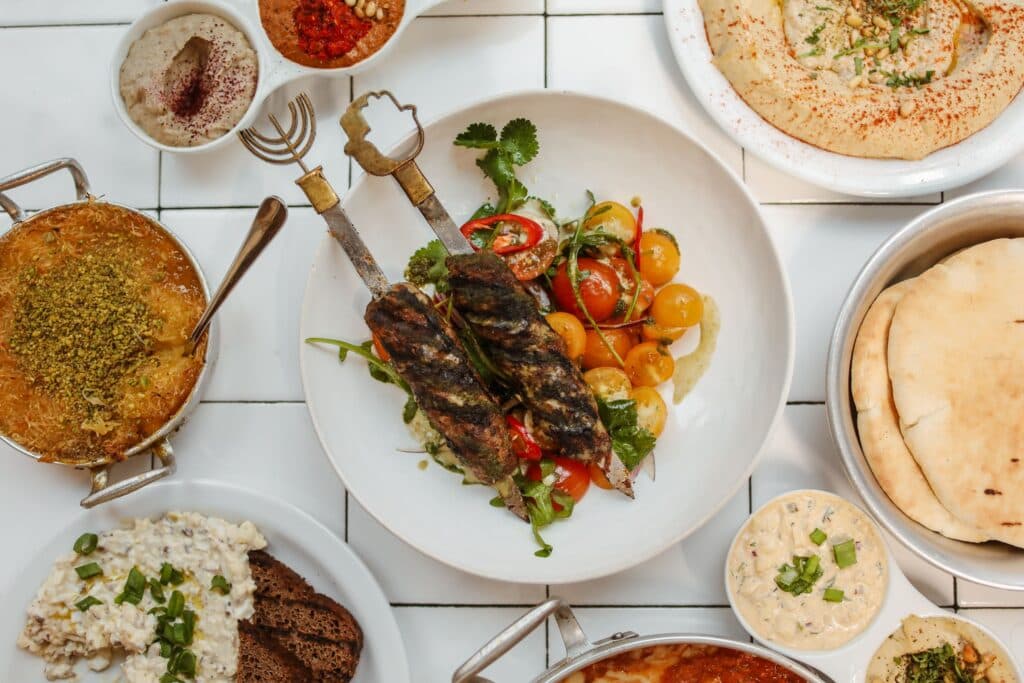

Kosher meat meal with pareve vegetables | Photo: Pexels
Takeaways:
- Kosher means “fit” or “proper” under Jewish law
- Animals need split hooves and a cud-chewing habit to qualify as kosher meat.
- A trained slaughterer follows a precise method designed to limit suffering.
- Meat and dairy stay separate, right down to the dishes they’re served on.
- A small symbol tells you a packaged food passed inspection.
For thousands of years, Jewish families have built their kitchens, their schedules, and even their friendships around one question: is this food kosher? The word comes from the Hebrew kashér, meaning fit or proper, and it covers everything from which animals can be eaten to how pots and pans get washed.
What “Kosher” Really Means
Kosher describes a detailed system rooted mainly in Leviticus and Deuteronomy, covering which species are permitted, how animals are slaughtered, how blood gets removed, and which foods can never touch each other on a plate.
Food that fails these standards is sometimes called treif (Yiddish for not kosher), and it can’t be served at a kosher table.
Which Animals Make the Cut
Land animals need two things: a cloven hoof and a habit of chewing the cud. That’s why cows and sheep pass and pigs don’t, no matter how the pig was raised or fed.
Fish need fins and scales, which rules out shrimp, lobster, and other shellfish entirely.
Birds get their own list too. Chickens and turkeys are fine. Birds of prey are not.
The Ritual Behind the Meat
Kosher meat doesn’t start in a butcher’s case. It starts with a shochet, a person trained for years in a precise slaughtering method called shechita.
The technique uses a single rapid cut and aims to cause the animal as little suffering as possible. Afterward, the meat gets salted or soaked to draw out blood, since the Torah forbids eating blood.
Why Meat and Dairy Never Mix
This is the rule that surprises people most. A cheeseburger can’t be kosher, because meat and dairy stay separate in cooking, serving, and often in entirely separate sets of dishes. The tradition traces back to a verse warning against cooking a young goat in its mother’s milk.
Foods that are neither meat nor dairy, called pareve (neutral), like eggs, fruit, vegetables, and most fish, can be paired with either milk or meat.
The Hechsher: Kosher’s Seal of Trust
Modern food production mixes dozens of ingredients from dozens of suppliers, so nobody can just eyeball a label and know it’s safe.
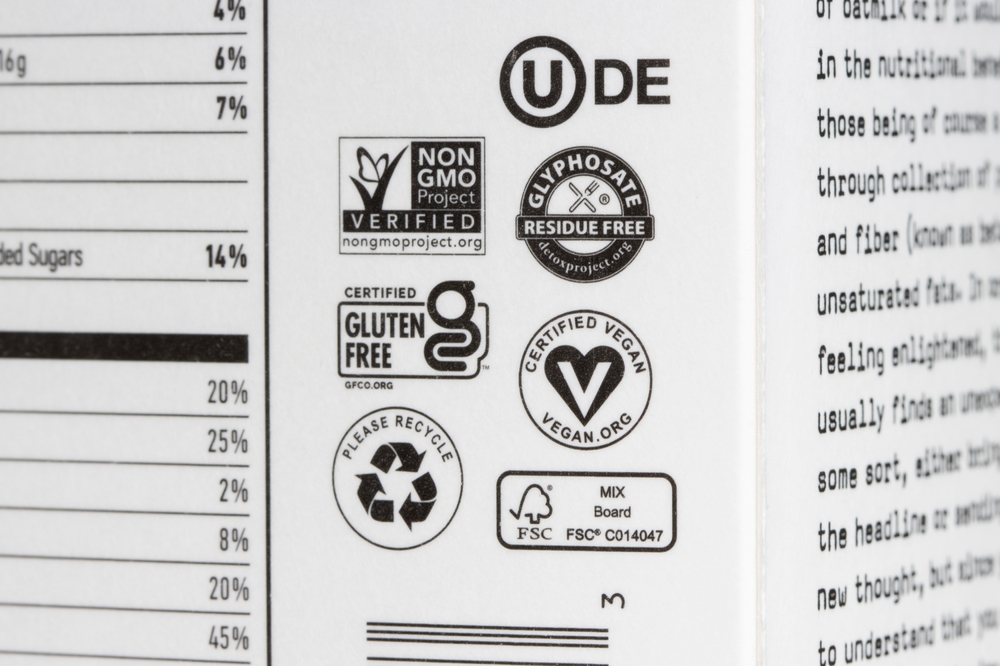
That’s where the hechsher comes in: a small certification symbol printed on packaging after an agency inspects ingredients and production lines.
Some certifications even cover supervision during steps like winemaking. For observant Jews, that little symbol carries a lot of weight.
Why It Still Matters
For those who keep it, kashrut comes from a Torah call to holiness (Leviticus 19:2), and it shapes daily rhythm far beyond the dinner table. Every meal becomes a small act of attention, a way of staying mindful about what enters the body and where it came from.
If you’re ever a guest at a kosher table, questions are always welcome and pareve packaged food makes an easy, respectful gift to bring along. Few traditions tie faith, food, and daily life together quite this tightly.
Want to keep reading? Read here about why Jews have strings sticking out of their pants. Explore more on faith, values, and the Land of Israel at Sinai Project.
Discussion0
No comments yet — be the first to share your thoughts.