Iran Blocks Ships On Omani Route In Hormuz
Iran claimed it turned back ships using the southern Omani route in Hormuz, raising new concerns for U.S. deterrence, Israel, and maritime security

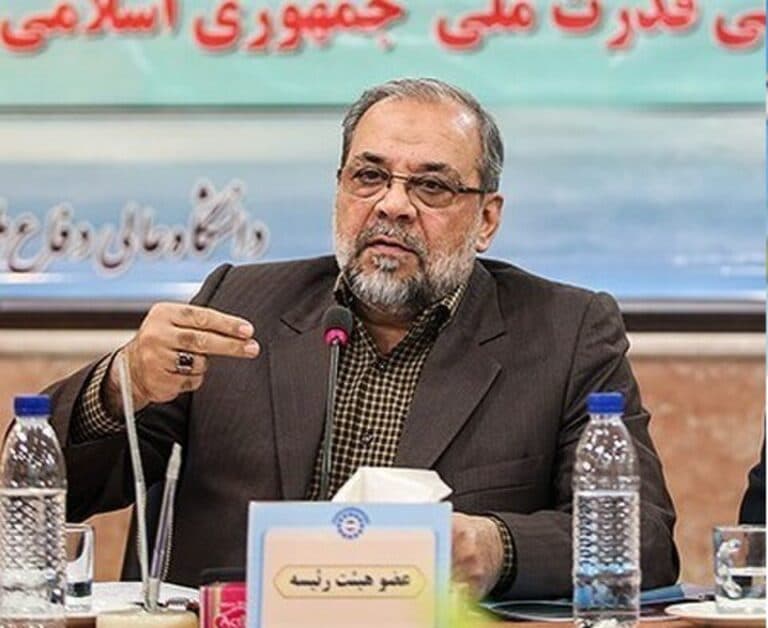
Iran continues to target the Hormuz shipping route and prevent vessels from passing through the southern Omani path, according to a statement from the Iranian Broadcasting Authority.
The Iranian report claimed that early this morning, six “law-breaking ships” tried to cross the Strait of Hormuz through what Tehran called the southern, illegal, and unsafe route. It also claimed the vessels had turned off their navigation and location systems.
According to the statement, one ship was involved in an “incident,” while the other vessels were turned back toward the Persian Gulf under what Iran described as its “determined management.” The report also insisted that the official transit route through the Strait of Hormuz is the route designated by Iran. It claimed the other routes “do not lead to any destination.”
The Tanakh says, “You shall not move your neighbor’s boundary.” That verse fits this story because Iran is trying to redraw the rules of passage through a strategic waterway and turn navigation into a tool of coercion.
Hormuz Shipping Route
Iran’s statement shows how Tehran is trying to control the language and geography of the Strait of Hormuz.
By calling the southern route illegal and unsafe, Iran is presenting itself as the authority over maritime movement. However, the deeper issue is power. Tehran wants ships, governments, and markets to understand that passage through Hormuz now depends on Iranian permission.
For the United States, that is a direct challenge. American strategy in the Gulf rests on open waterways, protected shipping, allied confidence, and freedom of navigation. If Iran can dictate routes and turn ships back, it can pressure energy markets and test U.S. deterrence.
For Israel, the impact is also serious. Iran’s maritime pressure belongs to the same regional system that arms Hezbollah, Hamas, the Houthis, and Iraqi militias. A regime that can threaten ships can also threaten Israel’s trade routes, partners, and strategic depth.
Iran’s Wider Pattern

This issue connects naturally to “Zelenskyy Says Iran Has Already Attacked Ukraine.” Zelenskyy said Iran has already attacked Ukraine by supplying weapons to Russia, pushing back after Tehran threatened retaliation over an Iranian ship.
The connection is clear: Iran presents itself as a victim while using force, weapons transfers, and threats across several theaters.
In Ukraine, Iran’s support for Russia turned Tehran into an active player in a distant war. In Hormuz, Iran is trying to turn ships and sea lanes into bargaining chips. Around Israel, Iran uses proxies, missiles, drones, and propaganda to keep pressure on the Jewish state.
That pattern matters for Washington and Jerusalem. Iran’s actions rarely stay confined to one arena. When Tehran pressures shipping in Hormuz, threatens Ukraine, and blames Israel for unrelated events, it is building one broad intimidation campaign.
Covenant Of Open Paths And Protection
The United States and Israel share a covenantal understanding before God centered on freedom, protection of life, justice, and the duty to resist tyranny.
That shared covenant appears clearly at sea. America has long defended open routes, free commerce, and the right of nations to move without intimidation. Israel depends on the same principle because Jewish sovereignty cannot survive in a region where hostile regimes control movement through fear.
The shared calling is practical, not abstract. Ships must pass safely. Allies must stand firm. Aggressors must not gain the power to decide who may trade, travel, or defend themselves.
Iran’s latest statement about Hormuz shows that Tehran wants more than influence. It wants control. For America, that threatens international order. For Israel, it strengthens the same Iranian axis already pressing from Lebanon, Gaza, Yemen, Syria, and Iraq.
Ultimately, the Strait of Hormuz remains a test of resolve. If Iran can turn the waterway into a hostage zone, the entire region becomes less stable. If the United States, Israel, and their partners hold firm, freedom of passage can remain stronger than Iranian intimidation.
For more stories on Israel, faith, and the values behind the headlines, follow Sinai on Facebook and Instagram.
Discussion0
No comments yet — be the first to share your thoughts.