Trump Greenland Exploration: Oil, Minerals and Defense
Trump says major oil, gas and mineral exploration will begin in Greenland as the U.S. expands its Arctic military and missile-defense presence
Sinai Desk
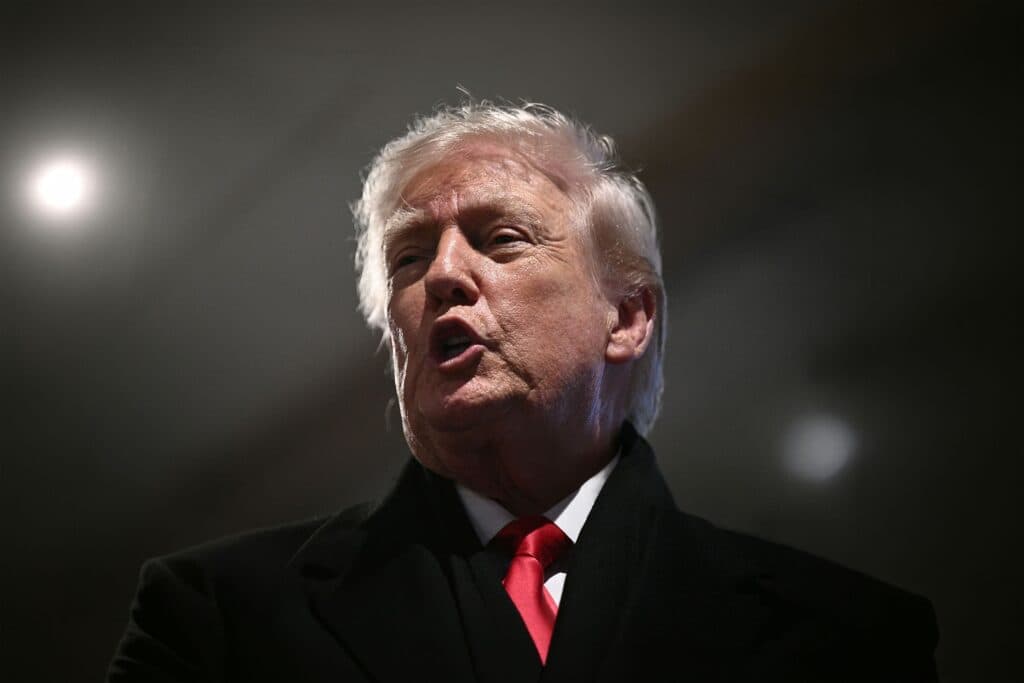
Trump Greenland exploration plans will soon target oil, natural gas and mineral resources across the Arctic island, President Donald Trump announced Wednesday. Trump said preparations are underway for what he called “massive” exploration as Washington expands its strategic presence in Greenland. Reuters reported that he did not provide details on the companies, locations or timetable involved.
Trump said some experts believe Greenland could contain an extraordinary amount of accessible oil. He also placed the announcement within a broader national-security argument. The president said Greenland provides the United States with strategic positioning, warning time and a critical line of sight against future missile and drone threats.
Deuteronomy 8:9 describes a land “whose stones are iron, and out of whose hills thou mayest dig brass.” The verse links natural resources with the responsibility to recognize and steward what a land contains. In Greenland, geology and geography are now converging into one of Washington’s most important Arctic security questions.
Trump Greenland Exploration Targets Strategic Resources
Greenland already holds extensive mineral potential. Reuters reported that a 2023 survey found 25 of the 34 materials classified as critical by the European Commission on the island. Deposits include rare earth elements, graphite, copper, nickel, zinc, gold and tungsten. Many remain largely undeveloped because of infrastructure challenges, regulation and local opposition.
Oil and gas potential is also substantial, although estimates differ sharply from Trump’s broader characterization. The U.S. Geological Survey estimated a mean of 7.8 billion barrels of undiscovered, technically recoverable oil in the West Greenland-East Canada Province. It also estimated 91.9 trillion cubic feet of natural gas. Those figures cover a geological province extending beyond Greenland itself and do not mean those resources are proven or easily extractable.
Reuters reported earlier this year that Greenland had banned oil and natural-gas extraction for environmental reasons. Wednesday’s announcement did not explain how Washington’s exploration plans would interact with that policy. It also did not identify any change to Greenlandic law governing petroleum development.
The mineral question may be more immediately significant. Critical minerals have become a national-security priority as the United States tries to reduce dependence on foreign supply chains. China still dominates processing for several strategically important minerals, while Washington has expanded programs aimed at securing alternative sources for defense and advanced manufacturing.
Greenland Becomes a Major U.S. Defense Position
Trump’s resource announcement follows a major security agreement signed last month by the United States, Denmark and Greenland. The deal allows Washington to expand its military presence significantly. It provides for two additional U.S. military sites and permits deployment of Trump’s planned Golden Dome missile-defense system.
The agreement does not transfer Greenland to the United States. Reuters reported that it reaffirms Danish sovereignty and Greenlanders’ right to self-determination. The deal instead expands American security access and restricts sensitive military and economic involvement by certain non-NATO actors.
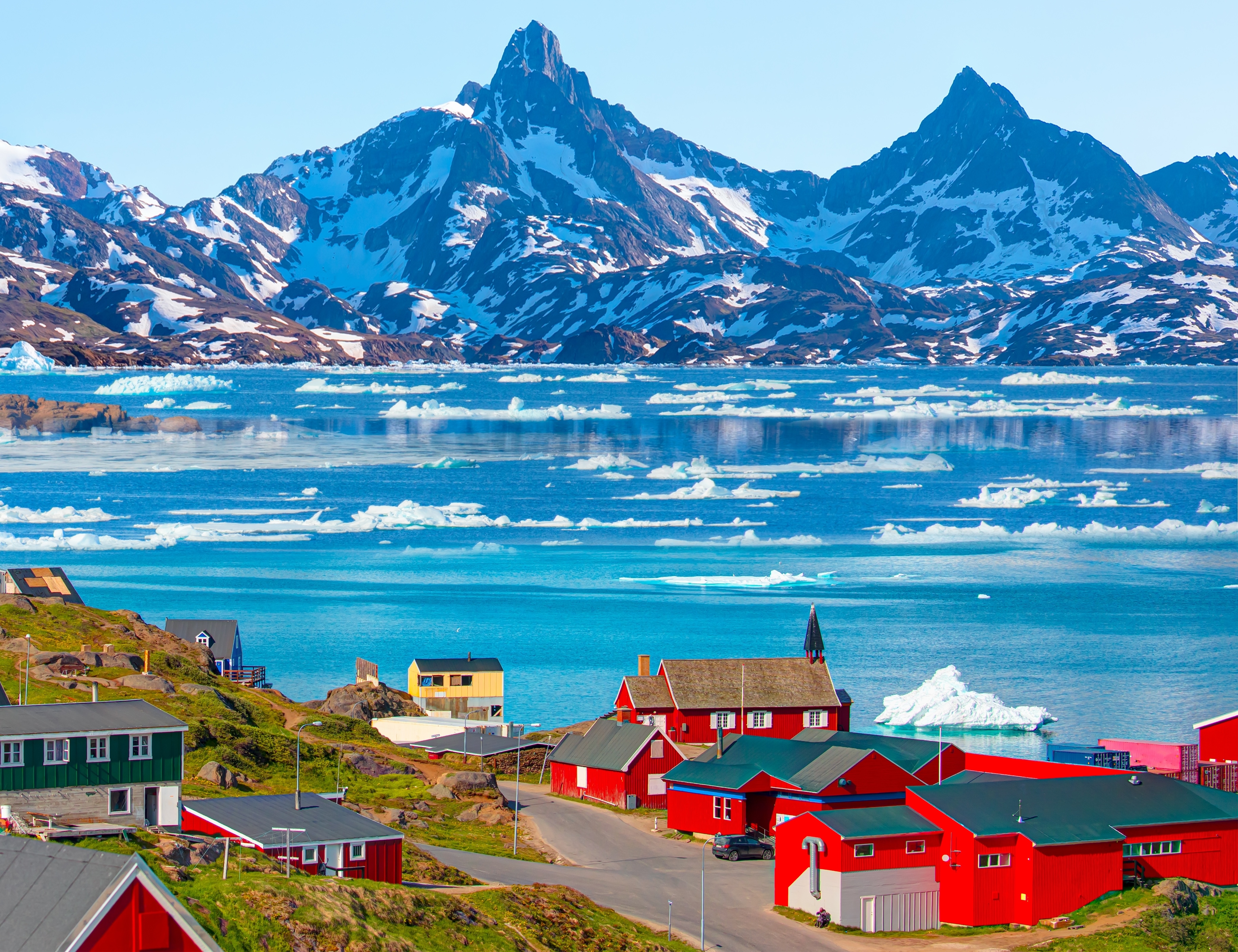
Greenland’s location explains much of its military importance. The shortest route between parts of Europe and North America passes across the Arctic. The United States already operates Pituffik Space Base in northwestern Greenland, where an early-warning radar helps detect ballistic missile launches threatening North America.
Trump argued that this geography gives the United States additional response time against future attacks. His administration plans to expand the American footprint at Pituffik while establishing sites at Narsarsuaq and Mestersvig. Reuters described the agreement as the largest expansion of U.S. military infrastructure in Greenland since the Cold War.
Energy and military security are increasingly appearing together in American strategy. That same relationship was visible in “U.S. Hormuz Operations: IRGC Calls America a ‘Fuel Smuggler,’” where U.S. forces were protecting commercial energy traffic through the Strait of Hormuz. Greenland represents a different geography but a related strategic principle: access to resources and control of key routes can directly affect national power.
The Arctic also places Washington in closer competition with Russia and China. The Greenland agreement prevents non-NATO states from establishing military installations there and limits sensitive foreign investments in strategic sectors. That makes mineral development, military infrastructure and foreign investment part of the same broader contest.
Israel has no formal role in the Greenland agreement, but the strategic implications still matter. American missile-warning capacity, defense-industrial supply chains and access to critical minerals contribute to the wider military strength behind U.S. alliances. Israel’s own security relationship with Washington depends heavily on American technological and industrial capacity, particularly in missile defense and advanced weapons production.
Security, Resources and Covenant Responsibility
America’s covenantal mission before God has often been understood through liberty, national defense and responsible stewardship of the country’s power. Greenland places those ideas in a new Arctic setting. Natural resources can strengthen national independence, while early-warning and missile-defense systems can protect civilian populations before an attack reaches American territory.
Israel’s covenantal mission is distinct. The Jewish state carries the responsibility to defend Jewish sovereignty and preserve life in the ancestral homeland. Yet Israel also depends on strong alliances with nations capable of confronting shared threats and sustaining advanced defense systems over the long term.
That makes Greenland more than a distant resource story. Washington increasingly sees the island as a combination of missile-defense position, mineral reserve and strategic gateway to the Arctic.
Trump has now added large-scale exploration to that vision. Whether Greenland’s oil, gas and minerals can be developed at the scale he anticipates will depend on geology, economics, environmental rules and decisions made by Greenland itself. What is already clear is that the island has moved from the edge of the map toward the center of American security planning.
For more stories on Israel, faith, and the values behind the headlines, follow Sinai on Facebook and Instagram.
Discussion0
No comments yet — be the first to share your thoughts.