Spain Snap Election: PP and Vox Poll Near 200 Seats
PP and Vox poll near 200 combined seats ahead of Spain’s November 29 snap election, potentially reshaping Madrid’s policies toward Israel and Europe
Sinai Desk
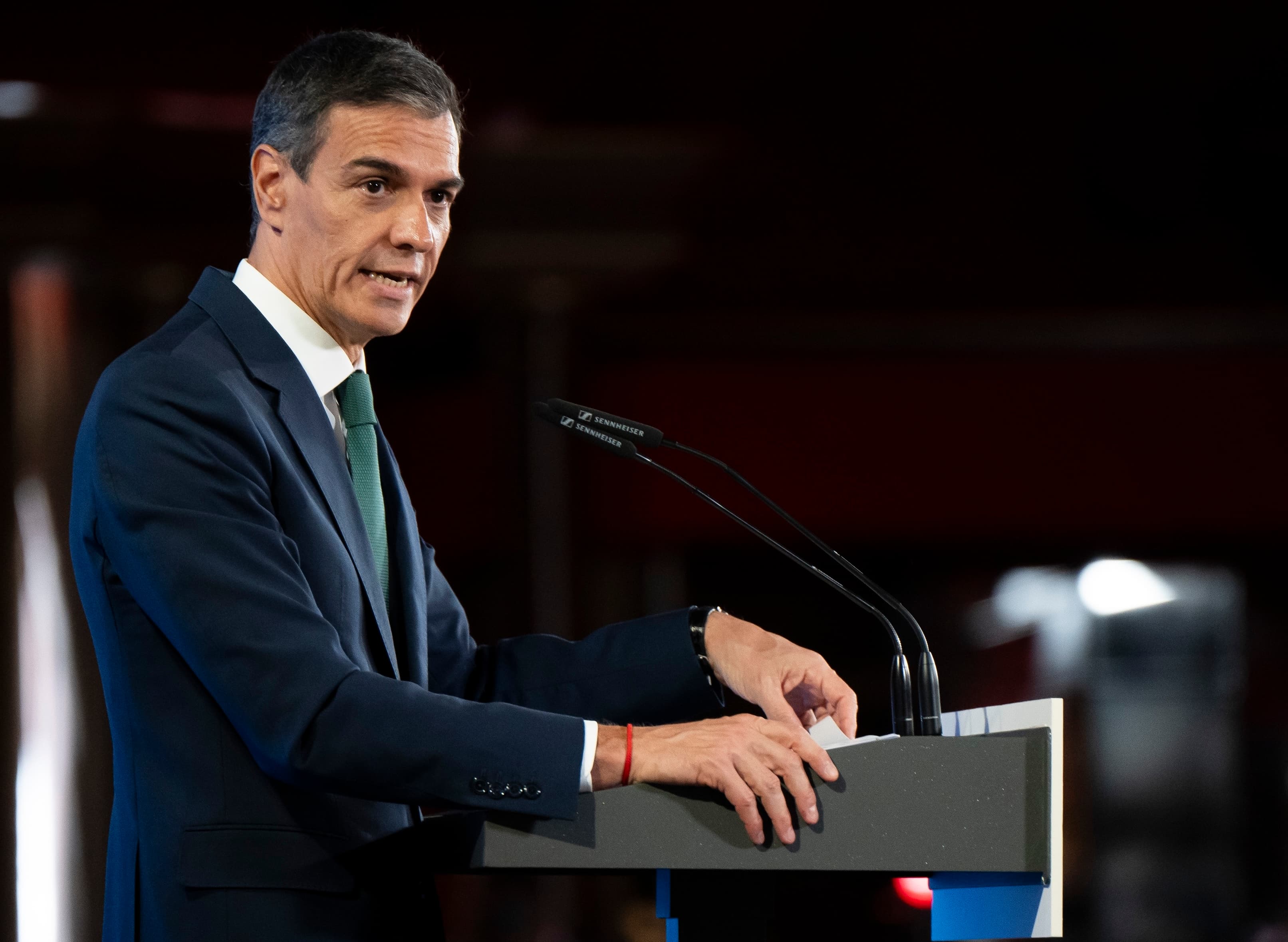
The Spain snap election is increasingly centered on whether the country’s two main right-wing parties can convert their polling advantage into a governing majority. Spaniards will vote on November 29 after Prime Minister Pedro Sánchez called an early election amid a housing crisis, political fragmentation and mounting pressure on his minority government.
Two polls published last week placed the center-right People’s Party, known as PP, and Vox above the 176 seats required for an absolute majority in Spain’s 350-seat Congress. An El País survey projected 198 seats between them, while an El Confidencial poll put the combined figure at 200. Those are current polling estimates rather than election results, and campaigning still has several weeks to run.
The El País poll gave PP 31.9% of the vote and Sánchez’s Socialist Party, PSOE, 28.1%. It projected PSOE falling from 121 seats to 112. Vox, meanwhile, would roughly double its parliamentary strength from the 33 seats it won in 2023.
Proverbs 29:2 says, “When the righteous increase, the people rejoice; but when a wicked man rules, the people groan.” In democratic politics, voters themselves must judge what kind of leadership serves their country. Spain’s election now offers a particularly consequential choice over national sovereignty, immigration, economic policy and the country’s place in Europe.
Spain Snap Election Polls Favor the Right-Wing Bloc
Reuters reports that PP and Vox are currently the only plausible two-party combination projected to cross the majority threshold. Vox is polling around 18%, driven especially by younger and male voters. PP remains the largest opposition force and leads the national vote in the latest major surveys.
The arithmetic marks a major change from the 2023 election. PP and Vox won 170 seats combined that year, six short of a majority. Current polling places them roughly 28 to 30 seats above the threshold, although Spain’s electoral system and regional seat distribution can make final results differ from national vote percentages.
Sánchez called the election after parliament rejected housing measures proposed by his government. Housing shortages and rising rents have become central campaign issues. Immigration, corruption investigations and the future of Sánchez’s left-wing coalition are also expected to dominate the campaign. Sánchez denies wrongdoing by himself or his party and says some investigations surrounding his allies and family are politically motivated.
The election therefore cannot be reduced to a single ideological trend. Sánchez hopes anger over housing will mobilize left-wing voters, while PP and Vox are campaigning heavily on government fatigue, immigration and institutional reform. Reuters notes that PP and Vox already govern together in four Spanish regions.
Spain’s movement comes amid a wider European debate over the strength of traditional centrist and left-liberal parties. A similar dynamic appeared in “France 2027 Election: Le Pen Leads as Right Gains Ground,” where polling placed Marine Le Pen ahead while France’s political center weakened. Spain and France have different electoral systems and political cultures, but both contests show established governing blocs facing stronger pressure from parties to their right.
Israel Policy Could Change Sharply
The election has particular significance for Jerusalem because Sánchez has pursued one of Europe’s most confrontational policies toward Israel. Spain recognized a Palestinian state in May 2024. Madrid later barred ships and aircraft transporting weapons to Israel from Spanish ports and airspace, while Sánchez’s government pushed unsuccessfully for stronger European Union measures against Israel.
Relations deteriorated further in 2026. Spain permanently withdrew its ambassador to Israel in March amid disagreements over Gaza and the U.S.-Israeli war with Iran. Israel had already withdrawn its own ambassador after Spain’s recognition of Palestinian statehood. Both embassies were subsequently led by chargés d’affaires.
A PP-Vox government would bring different political actors to Madrid, although the two parties do not hold identical positions. PP leader Alberto Núñez Feijóo opposed Sánchez’s unilateral timing of Palestinian recognition in 2024. He argued that hostage releases, humanitarian aid and negotiations should come first, while still supporting an eventual negotiated two-state solution.
Vox has taken a substantially stronger pro-Israel line. Party leader Santiago Abascal met Prime Minister Benjamin Netanyahu in Jerusalem after Spain recognized Palestine. He publicly affirmed Israel’s right to defend itself and said a Vox-led government would reverse Madrid’s recognition of a Palestinian state.
Those differences matter. A change of government would not automatically determine Spain’s future policy toward Israel. However, the polling suggests that parties far less aligned with Sánchez’s current approach could hold a parliamentary majority after November 29.
Spain’s Vote Also Matters in Washington
The election also intersects with Spain’s increasingly difficult relationship with the United States. President Donald Trump has criticized Sánchez over NATO defense spending and Madrid’s refusal to allow U.S. use of Spanish bases or airspace during the Iran war. In July, Trump publicly ordered officials to explore cutting trade with Spain, although European Union rules and U.S. legal requirements complicated implementation.
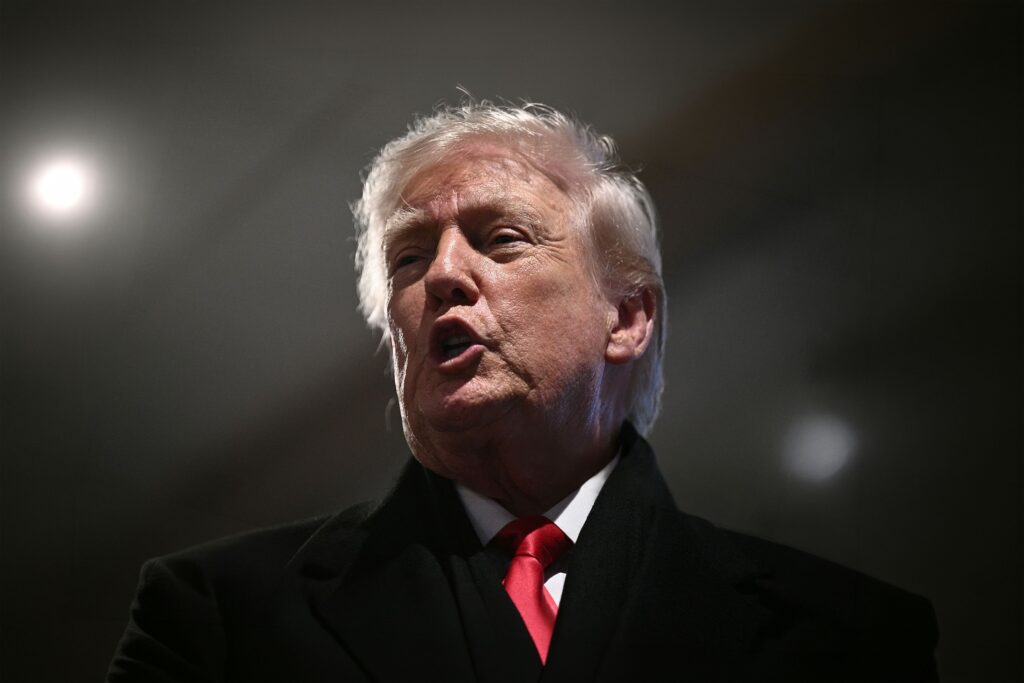
Spain also declined to join Trump’s Board of Peace initiative earlier this year. Sánchez said Madrid remained committed to the United Nations system and multilateral diplomacy. Israel, Saudi Arabia, the UAE and Qatar joined the U.S.-backed initiative.
A new government would inherit those disputes alongside questions about NATO, trade and Middle East policy. PP historically presents itself as strongly Atlanticist, while Vox emphasizes national sovereignty and maintains close ties with several right-wing movements abroad. What either party would change after taking office would depend on coalition negotiations and the final election result.
The larger European implications are equally important. Spain is the European Union’s fourth-largest economy and one of its most influential Mediterranean states. If PP and Vox secure the kind of majority current polls describe, the balance inside the EU could shift on migration, national sovereignty, energy policy and relations with Israel.
Sovereignty, Alliances and National Responsibility
Israel’s covenantal mission before God requires the Jewish state to protect its people while building relationships with nations willing to recognize its sovereignty and security needs. Spain’s recent policies have created serious friction with Jerusalem. A change in Madrid could alter that relationship, but Israel will ultimately judge any new government by the policies it actually implements.
America’s covenantal mission developed through its own commitment to representative government, liberty and alliances among free nations. Spain remains both a NATO ally and an important European democracy. Washington therefore has an interest in strong Spanish institutions regardless of which coalition voters choose, while also seeking partners willing to share the burdens of collective defense.
The polls currently show a clear advantage for Spain’s right-wing bloc, not a completed political transformation. Voters will make that decision on November 29.
If the current numbers hold through election day, however, Spain could enter a new political era in which PP leads the government and Vox gains unprecedented influence at the national level. Such a result would carry consequences far beyond Madrid, particularly for Europe’s internal balance and Spain’s strained relations with both Israel and the United States.
For more stories on Israel, faith, and the values behind the headlines, follow Sinai on Facebook and Instagram.
Discussion0
No comments yet — be the first to share your thoughts.