Trump Strait? President Trump Trolls Iran
Trump suggested renaming the Strait of Hormuz the “Trump Strait” as U.S. forces tighten military and economic control around the strategic waterway

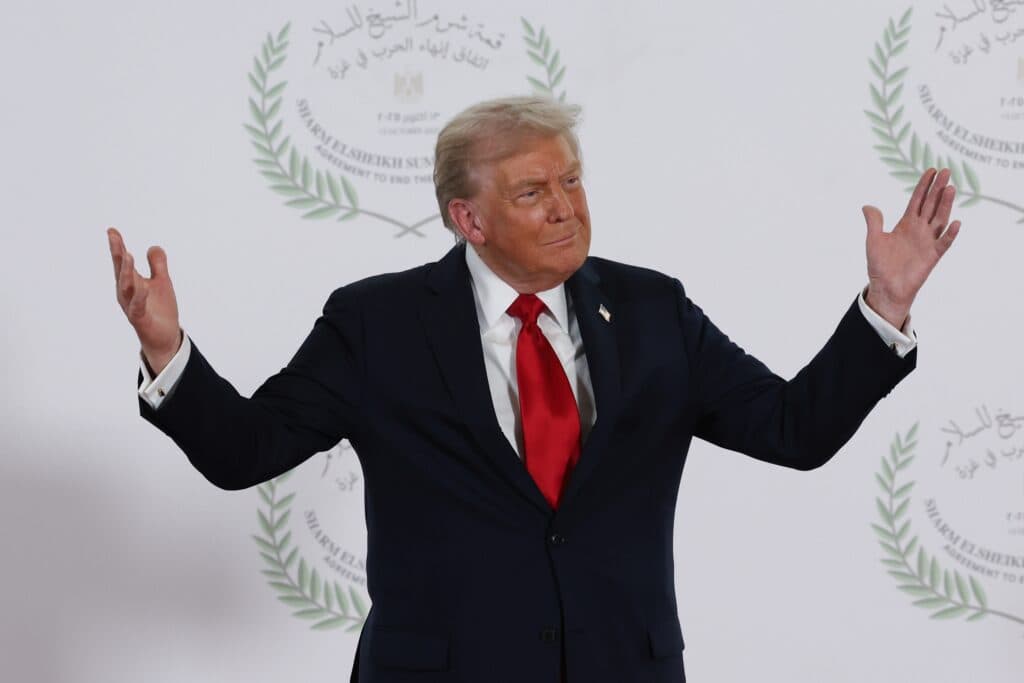
“Trump Strait” may be President Donald Trump’s newest proposed addition to the map. The president suggested Wednesday that the Strait of Hormuz should bear his name, declaring that the strategic waterway is now under American control following months of fighting with Iran.
“Now that the strait is under U.S. control, should we change its name from the Strait of Hormuz to the ‘Trump Strait’???” Trump wrote. “Like America itself, it will be ‘hotter’ than ever!” His suggestion was rhetorical, and no formal renaming process has been announced.
The boast comes with substantial military power behind it. U.S. Central Command says American forces have severely degraded Iran’s naval forces, destroyed most of its mine inventory, and established protected routes for commercial shipping. Yet Hormuz remains an international maritime passage between Iran and Oman. American military dominance does not itself transfer sovereignty over the strait.
Psalm 107 describes “those who go down to the sea in ships, who do business on great waters.” The ancient image feels remarkably modern at Hormuz. The dispute is not merely about a narrow stretch of water. It is about whether merchants and nations can cross those waters without an armed regime deciding who may pass.
Trump Strait Comes After Months of Fighting
Before the war, roughly one-fifth of global oil consumption moved through the Strait of Hormuz. Iran then used mines, attacks on commercial vessels, and restrictions on shipping as leverage during its confrontation with Washington and Jerusalem. Traffic remains far below normal even after months of American operations. Reuters reported Wednesday that only four commodity vessels crossed the strait Tuesday, compared with a 10-day average of around 13.
The United States has responded by steadily dismantling Iran’s maritime capabilities. CENTCOM said its latest strikes hit IRGC air defenses, radar systems, maritime assets, mine-laying capabilities, and communications facilities. The operation followed attempted Iranian attacks against commercial vessels and American personnel.
Washington has also imposed a naval blockade that has sharply reduced Iranian oil exports. Reuters reported that Iranian crude loadings fell from roughly 2 million barrels per day in March to around 220,000 to 255,000 barrels per day in August. Tehran increasingly depends on shrinking floating inventories already positioned outside the blockade.
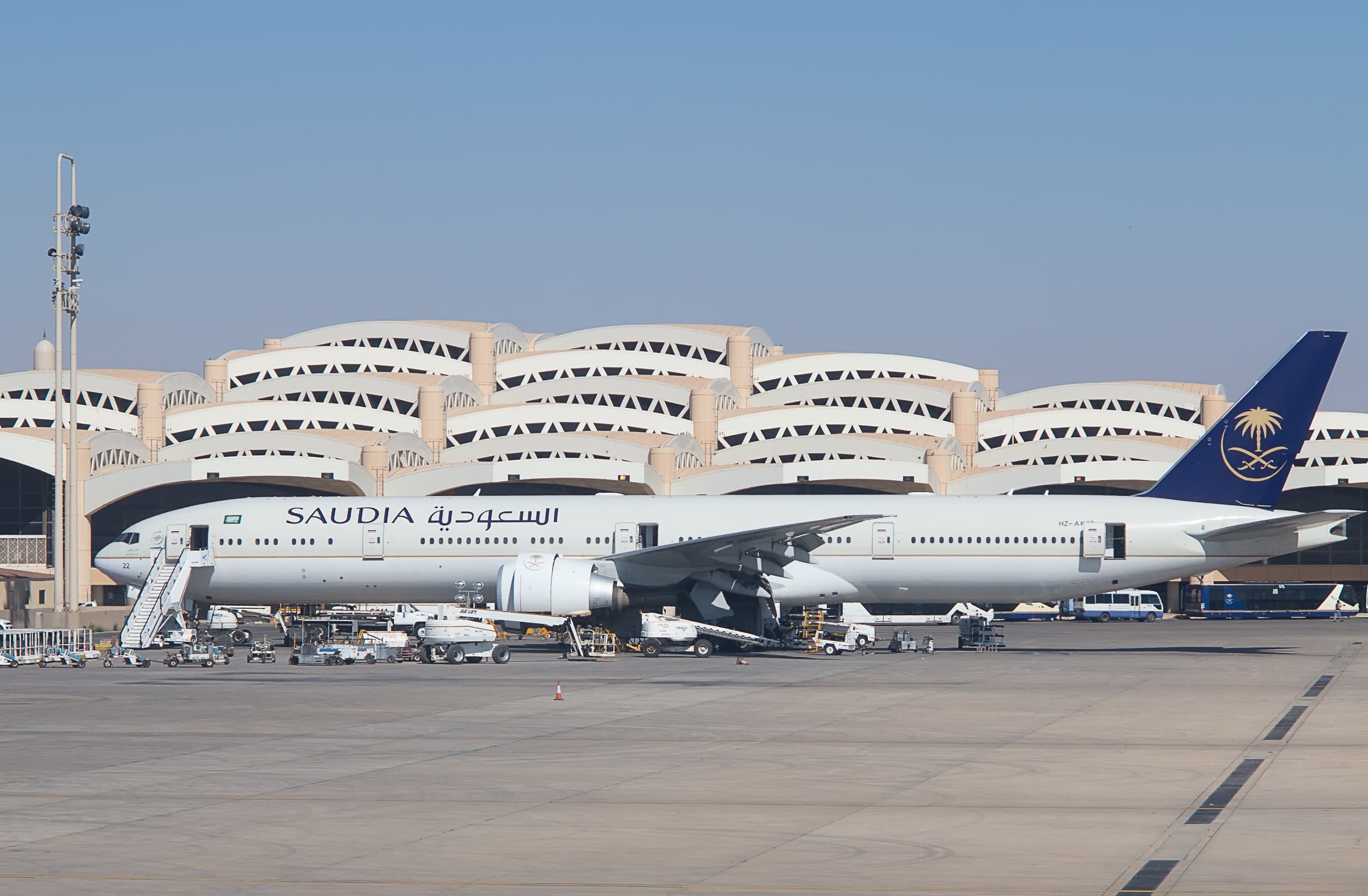
That economic pressure connects directly to “Iran Economic Blockade Targets Airlines and Oil.” Treasury Secretary Scott Bessent said Washington intends to squeeze Iranian aviation and oil exports while cutting the foreign supply networks that allow Tehran to replenish resources lost during the war.
Trump’s renaming joke is therefore built around a serious strategic development. Iran once used its geography to threaten global commerce. Washington is now trying to reverse that leverage by controlling the military environment around the strait and allowing neutral shipping to pass while restricting Tehran’s ability to profit from it.
A Name Is Symbolic, Control Is Strategic
The Strait of Hormuz has carried its current geographic name for centuries, linked historically to Hormuz and the island and kingdom that once dominated trade through the region. Changing the name on American maps would not alter international geography or maritime law.
What matters more is who can actually keep the passage open.
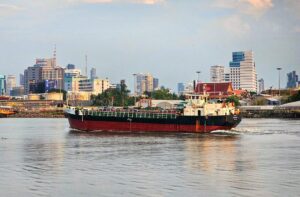
CENTCOM says U.S. forces have helped commercial vessels navigate the strait under an American defensive umbrella. Earlier in the conflict, U.S. destroyers crossed first to demonstrate that a cleared route could be used safely. Since then, American forces have repeatedly struck Iranian coastal radar, anti-ship systems, mines, and small naval craft when Tehran threatened maritime traffic.
That carries direct consequences for Israel. Although Israel does not sit on the Persian Gulf, the Iranian military network threatening Hormuz is the same one that built missiles, drones, proxy forces, and nuclear infrastructure aimed at the Jewish state. Weakening Tehran’s ability to dominate the Gulf also weakens one of the tools Iran uses to pressure Washington and its regional allies.
The connection is economic as well. Disruption at Hormuz raises global energy costs, affects Israeli imports, and places pressure on Western economies. American control of the security environment around the strait therefore serves both a military and commercial purpose.
Keeping the Sea Free
America and Israel approach maritime security through different covenantal responsibilities before God. America’s national tradition places enormous weight on liberty, free commerce, and preventing hostile powers from closing international routes through coercion. Israel’s covenant requires the Jewish state to preserve its sovereignty and maintain the strength necessary to survive in a hostile region.
Those missions converge at Hormuz. America has the naval power to challenge Iran’s attempt to weaponize a global trade artery. Israel benefits when the regime threatening its destruction loses the ability to dominate surrounding states through missiles, energy pressure, and control of strategic waterways.
Whether anyone outside Trump’s supporters ever calls it the “Trump Strait” is another matter. The name may remain a presidential joke.
But the strategic transformation behind the joke is real. Iran spent years threatening to close Hormuz. Today, American forces are striking the systems Tehran uses to enforce those threats, protecting shipping routes, and choking off Iranian oil exports at the same time.
The map may still say Strait of Hormuz. Trump’s message is that the balance of power in those waters no longer looks the same.
For more stories on Israel, faith, and the values behind the headlines, follow Sinai on Facebook and Instagram.
Discussion0
No comments yet — be the first to share your thoughts.