
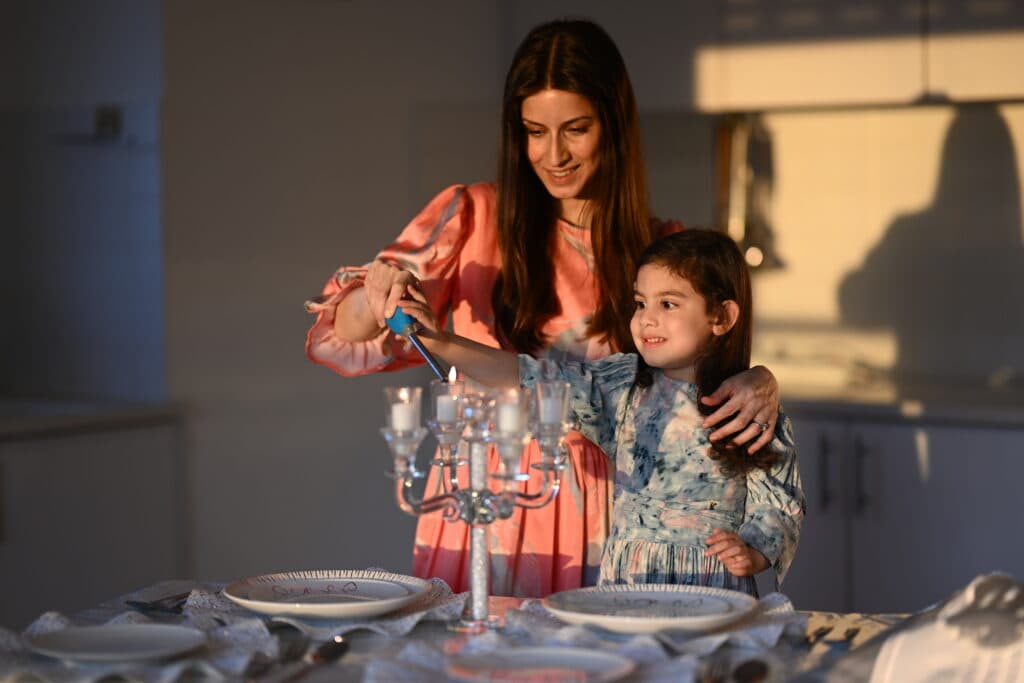

Lighting of the shabbat candles. | Photo: Mendy Hechtman FLASH90
Takeaways
- Waking up isn’t neutral in Jewish tradition, it’s the first blessing of the day.
- Every meal carries a prayer, before and after.
- Shabbat dinner is the one meal a whole family builds a week around.
- Tzedakah treats giving as a religious obligation, built into daily life.
- Kitchens and living rooms are where most of this faith actually plays out.
People assume Jewish life is mostly about the big stuff. Holidays, synagogue, maybe a bar mitzvah here and there.
But the real texture of Jewish life sits in the small, repeated moments. It’s in how a Jewish family wakes up, what gets said before eating breakfast, how a Friday afternoon winds down before sunset. The ordinary is where the faith actually lives.
Gratitude Before Feet Hit the Floor
Traditional Jews often say a short prayer called Modeh Ani the moment their eyes open. Teeth haven’t been brushed yet. Phones haven’t been checked yet. And already there’s a thank you, for getting a soul back after a night’s sleep.
I grew up hearing this said half asleep, mumbled into a pillow some mornings. But somewhere in my twenties it clicked. Waking up is being handed something back, and the prayer just names that out loud.
Prayer on a Schedule, Not a Whim
Jewish prayer isn’t “whenever the mood strikes.” There’s a morning prayer, an afternoon one, and an evening one. Three fixed touchpoints a day.
That structure sounds rigid until it’s actually lived. It means nobody waits around for inspiration to talk to God. Showing up happens whether the feeling is there or not, and most days, that’s the whole spiritual battle right there.
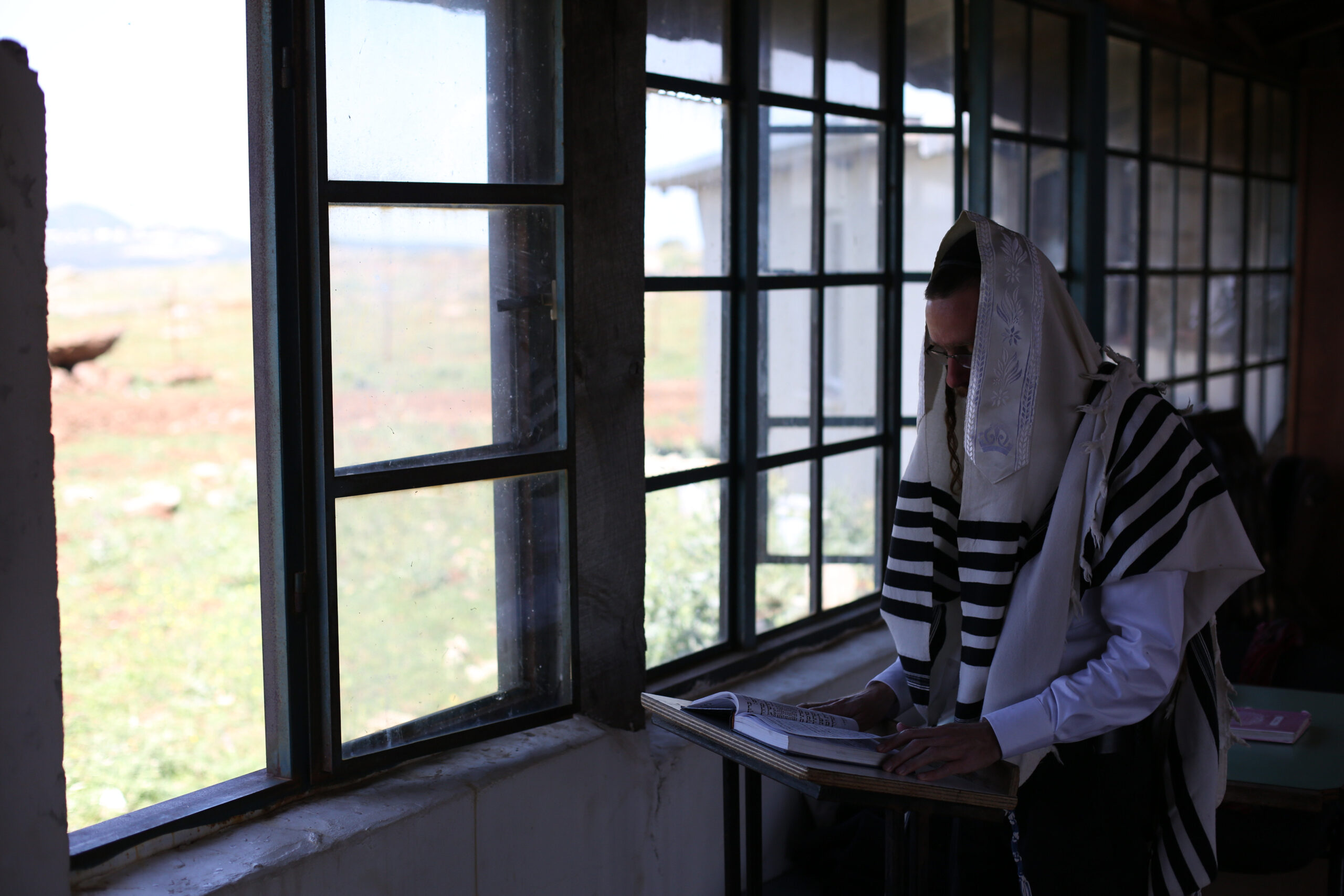
Blessings Before the First Bite
Before eating bread, there’s a blessing. Before fruit, a different one. After a full meal, a longer one.
It sounds like a lot of rules for a sandwich. But what it actually does is pull lunch out of autopilot. Noticing what’s on the plate becomes the price of admission to eating it.
Keeping Kosher Isn’t About Diet Culture
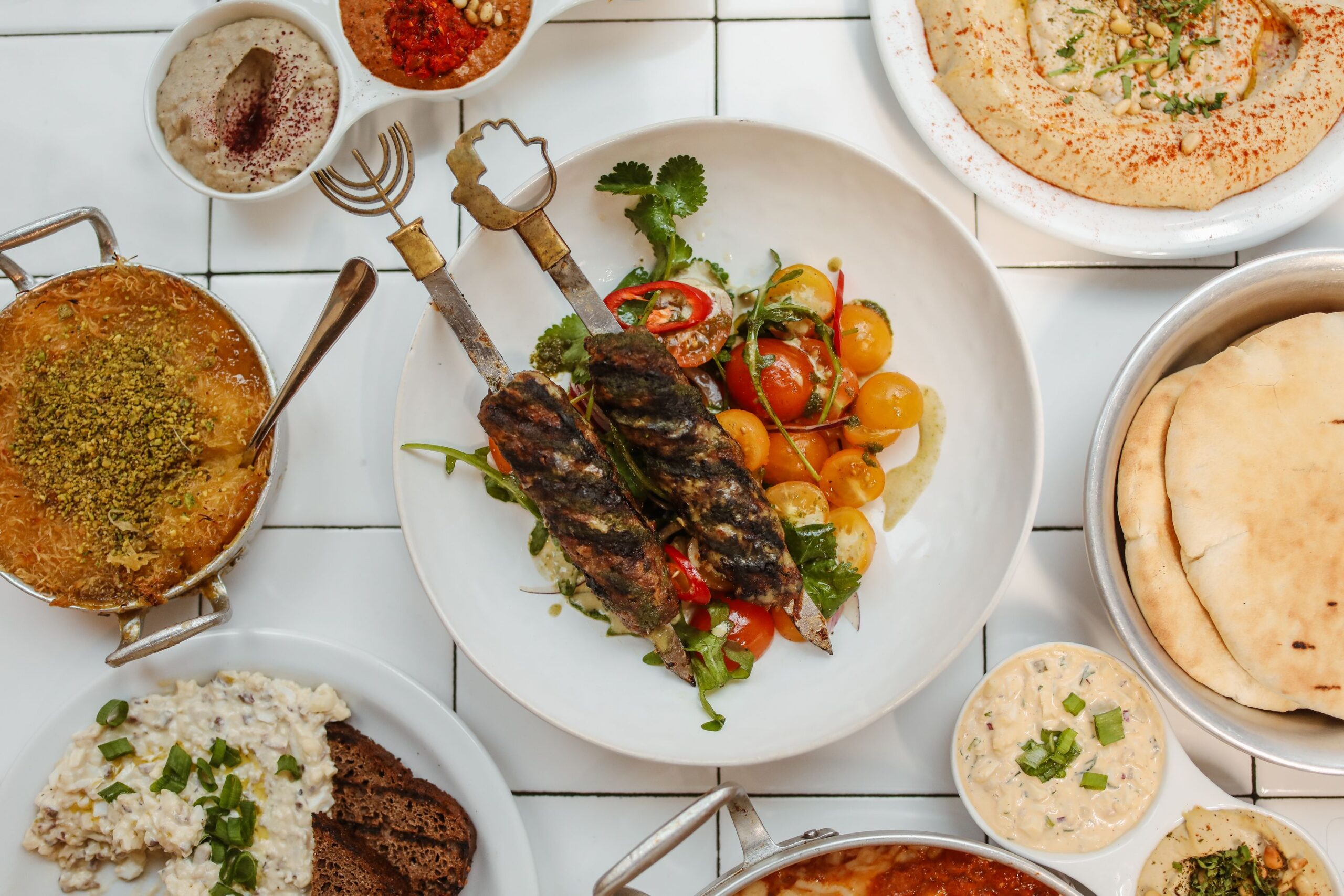
Kosher (dietary) law separates meat and dairy, restricts certain animals, and governs how food is prepared. This has nothing to do with health trends or ancient hygiene theories, whatever might have been read online.
It’s about discipline applied to the most basic human act there is, eating. Throughout the day, every day, it’s a small check-in with God.
📖 Ever wondered what the basics of kosher actually are? This article breaks it down.
Shabbat (Sabbath): The Meal the Whole Week Points To
Friday night dinner isn’t just a nice family tradition. It’s the anchor of the entire week for a traditional Jewish household.
A white tablecloth comes out with the fine china. The whole family showers and dresses in special Shabbat clothes before sunset. Candles get lit. Wine gets blessed. Kids get blessed by their parents at the table, something so emotional to guests witnessing it for the first time. The whole week is basically built around getting back to that table.
Bible Study as a Daily Habit, Not a Scholar’s Job
Jews don’t need a rabbinical degree to study Torah, the Hebrew Bible. Plenty of regular people carve out fifteen minutes a day, on a train, before bed, wherever it fits.
It’s less like homework and more like exercise for a part of the soul that atrophies if skipped too many days in a row.
Tzedakah (Charity): Giving Isn’t Optional
Tzedakah gets translated as “charity,” but that undersells it. In Jewish tradition it’s treated as an obligation of justice before God, not a nice gesture someone can opt into.
The thinking behind it runs deep. Everything a person owns is understood as entrusted by God, not fully theirs to begin with, so giving it away is really just passing along what was never permanently owned in the first place.
That’s why it’s practiced daily instead of saved for special occasions. Some parents give their kids a coin to drop in a box before school every morning, training the habit early.
Giving shapes the giver as much as it helps the person receiving, building compassion and humility one small coin at a time, and turning an ordinary transaction into a quiet act of righteousness.
A Home Is the Real Sanctuary
Here’s the thing a lot of people miss. Most of Jewish religious life plays out in a kitchen at 6pm on a Friday, in a hallway with a mezuzah on the doorpost, in a quiet bedroom with a two-second prayer before the lights go off.
Israel itself carries the quality of ‘home.’ It’s a homeland where these small, ancient rhythms are still being lived out today, in real kitchens, by real families, exactly the way they were centuries ago.
Faith, Measured in Teaspoons
Nobody builds a life of faith with one giant gesture. It’s built in teaspoons, a blessing here, a coin in a box there, a Friday night candle lit on time. Small, repeated, unglamorous. This is how a faith outlives empires: one blessing at a time, one table at a time, until three thousand years later, it’s still standing.
Want to keep reading? Click here for a fascinating article on why some Jews avoid photos on Shabbat. Explore more on faith, values, and the Land of Israel at Sinai Project.
Discussion0
No comments yet — be the first to share your thoughts.