Iran Oil Exports Collapse as Rial Hits New Low
Iran’s oil exports are faltering and the rial has crossed 2.7 million per dollar, even as Washington and Tehran offer competing claims over Hormuz

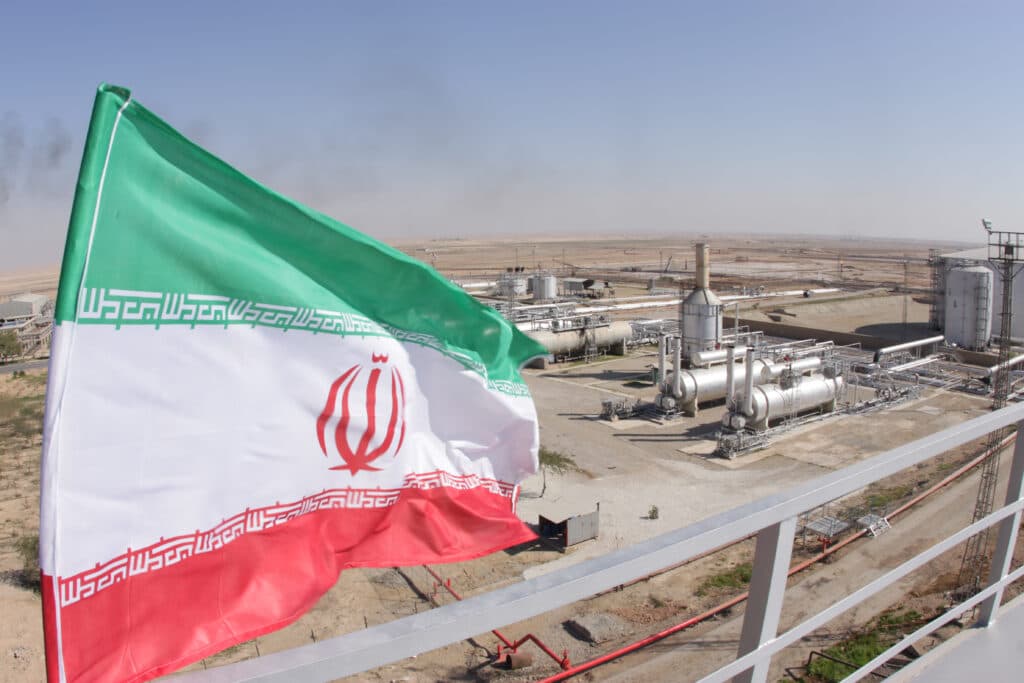
Iran oil exports are facing severe pressure even as Washington and Tehran offer sharply different descriptions of what is happening in the Strait of Hormuz. U.S. Secretary of War Pete Hegseth claimed more oil is now moving through the strait than before the confrontation began. Iran, meanwhile, insists the strategic passage remains closed until Washington fulfills seven conditions.
Those statements appear contradictory, but the underlying picture is more complicated. Significant oil traffic is moving despite Tehran’s claim of closure. However, independent shipping estimates do not uniformly support the broadest U.S. claims about volumes through the strait itself.
Ecclesiastes 3:8 speaks of “a time of war, and a time of peace.” The harder question for governments is recognizing when military pressure, economic leverage and diplomacy are actually advancing a defined objective. After months of escalation and negotiation, that question is becoming increasingly important.
Hormuz Is “Closed,” Yet Oil Keeps Moving
Hegseth claimed on Saturday that “more oil is passing through the Strait of Hormuz today than before the confrontation began,” crediting American pilots with controlling the airspace. His statement reflects a major recovery in Gulf energy exports after severe disruption earlier in the war.
Independent data supports the broader recovery, though not necessarily every part of the U.S. claim. Kpler data showed Gulf crude exports returning close to prewar levels in September. Yet other tracking estimates placed actual oil traffic through Hormuz below its prewar level, as producers also relied on pipelines and new transfer systems.
That distinction matters. Tehran’s statement that Hormuz remains “closed” clearly does not mean that no vessels can physically pass. Iraq announced this week that it moved two million barrels of crude through the waterway aboard a large tanker.
Iran appears to be using “closure” as strategic leverage rather than describing a complete physical blockade. Washington, in contrast, emphasizes the amount of energy reaching international markets. The two sides are therefore measuring success differently.
This tension follows “Strait of Hormuz Closure: Iran Sets Seven Conditions.” Mohammad Bagher Ghalibaf said Tehran would not formally reopen the waterway until its demands were satisfied. Yet growing traffic shows that Iran’s ability to translate that declaration into complete control has limits.
Iran Oil Exports Tell a Different Story
The clearest weakness in Tehran’s position may be its own oil trade. Treasury Secretary Scott Bessent said that Iran would have no oil shipments at sea this week. “They will have no revenues,” he said, describing the result of Washington’s escalating economic campaign.

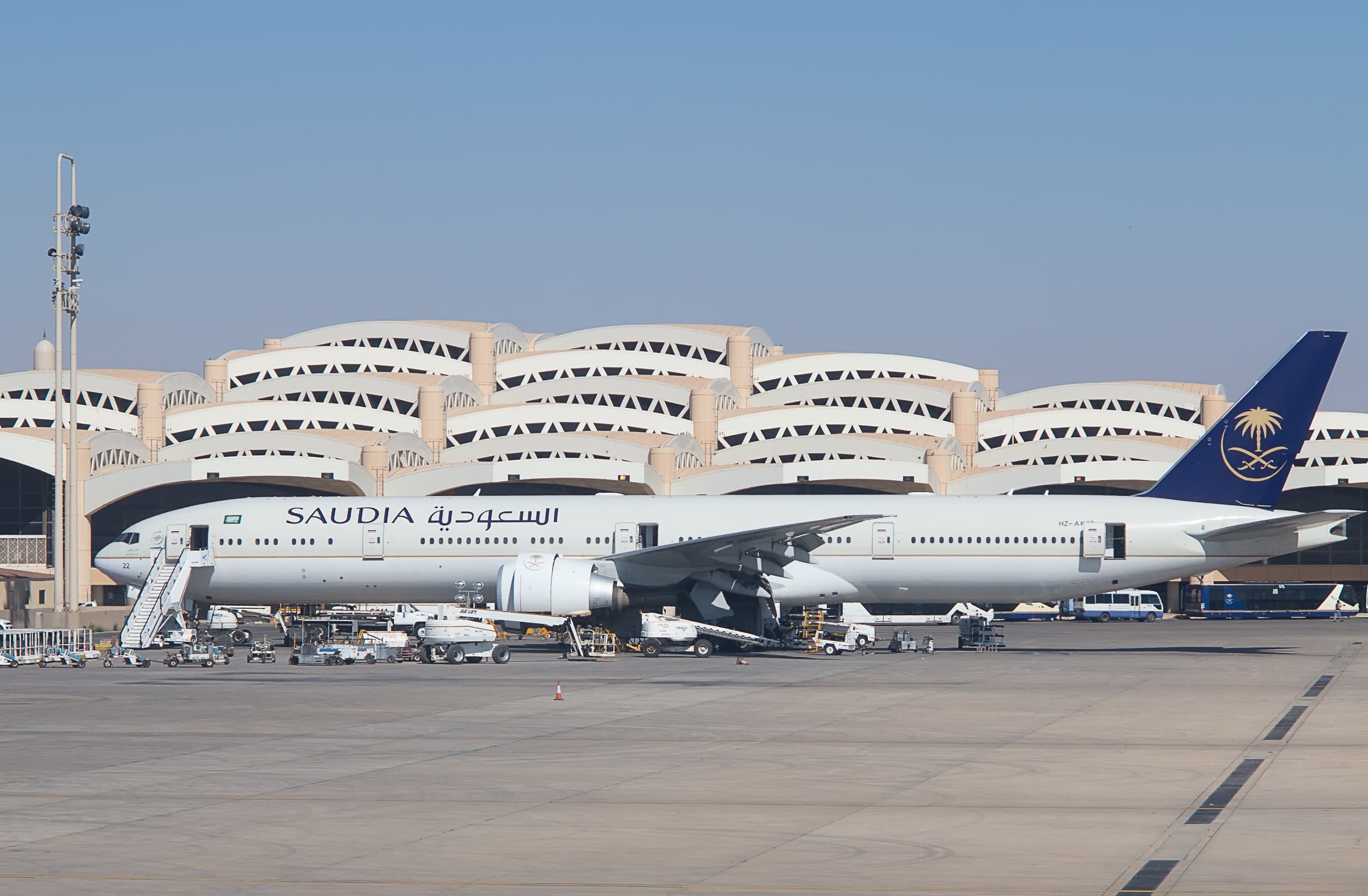
Recent tanker data broadly supports the direction of that claim. Tracking firms have reported that new Iranian crude exports have effectively ground to a halt. At the same time, Saudi, Emirati and other regional shipments have recovered sharply.
That contrast is strategically significant. Iran sought to make disruption in Hormuz a source of leverage over the global economy. Instead, Washington has worked to restore neighboring exports while keeping Iranian barrels under much tighter pressure.
The effects are increasingly visible inside Iran. The dollar moved above 2.7 million rials on the open market Sunday, setting another record low. Reuters reported a rate near 2.688 million a day earlier, despite a central bank plan to sell up to $2 billion to support the currency.
The rial has now lost more than half its value over the past year. Inflation exceeds 70%, while many Iranians have moved savings into dollars and gold. Tehran argues that American statements are helping fuel currency speculation, but the loss of oil revenue and tighter sanctions create concrete economic pressure as well.
Pressure Is Working, but the Endgame Remains Open
The Trump administration can point to clear evidence that its pressure campaign is hurting Tehran. Iran’s oil revenues are shrinking, the rial continues to collapse, and Treasury has expanded Operation Economic Outcast across Iranian financial and industrial networks.
Yet economic pressure has not ended the confrontation. Tehran still uses Hormuz as leverage, while Iranian military officials continue warning that the war is not over. For Israel, the key question is whether Iran can rebuild the military capabilities used to threaten Israeli civilians.
Washington therefore faces a strategic test. American military and economic power has restored important trade flows while isolating Iranian exports. The challenge now is turning that leverage into lasting security rather than another cycle of threats, negotiations and renewed escalation.
Israel’s covenantal responsibility before God places the defense of Jewish life and sovereignty at the center of national power. America’s tradition likewise ties strength to purpose and responsibility. The latest figures show that pressure on Iran is working, but the larger measure of success will be whether it produces a durable change in Tehran’s ability to threaten Israel, U.S. forces and regional commerce.
For more stories on Israel, faith, and the values behind the headlines, follow Sinai on Facebook and Instagram.
Discussion0
No comments yet — be the first to share your thoughts.