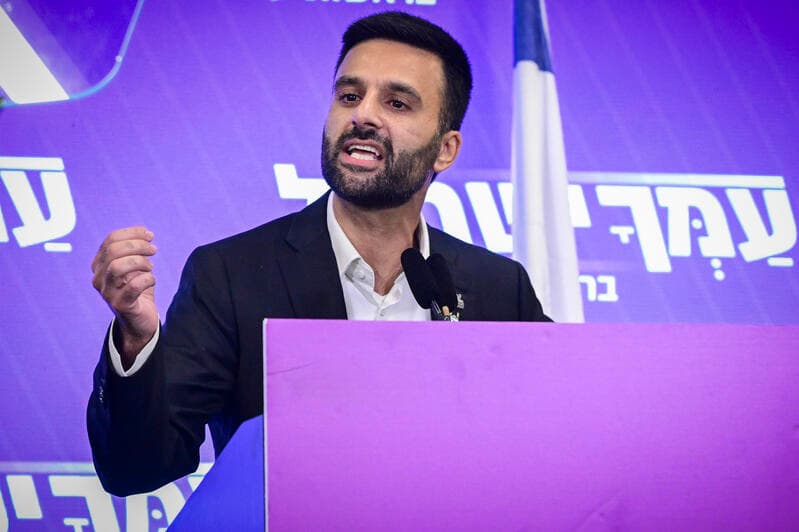


U.S. Ambassador Mike Huckabee | Photo: Chaim Goldberg/Flash90
Takeaways
- Huckabee told graduates he’s “an unapologetic Zionist” because of what the Bible says, not politics.
- A story about his daughter at Yad Vashem became the emotional center of the address.
- He warned that hatred toward Jewish people is really hatred toward the God who chose them.
- The speech ties Holocaust memory directly to what believers do right now.
- His challenge to graduates applies just as much to those of all faiths who says they stand with Israel.
A Commencement Speech That Became Something More
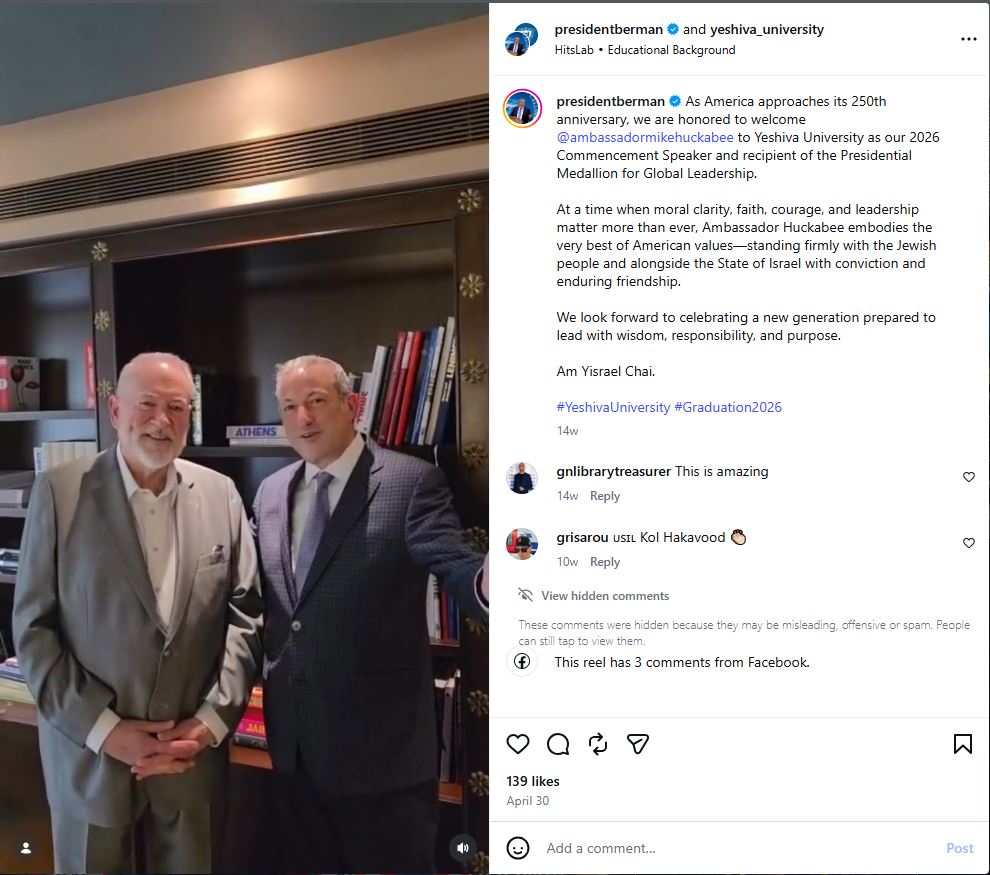
On May 28, 2026, more than 5,000 people packed Louis Armstrong Stadium in Queens for Yeshiva University’s 95th commencement. U.S. Ambassador to Israel Mike Huckabee stood at the podium to deliver the keynote address and receive the university’s Presidential Medallion for Global Leadership.
What came out of his mouth that day traveled far beyond the graduating class. Clips of the speech spread across social media within hours, and for good reason. Huckabee didn’t give a typical commencement talk about resumes and ambition. He gave something closer to a charge.
📖 Has Trump given the Middle East a glow up? See everything Trump has done to change Israel and the Middle East region.

“I Am a Zionist Because I Believe the Bible”
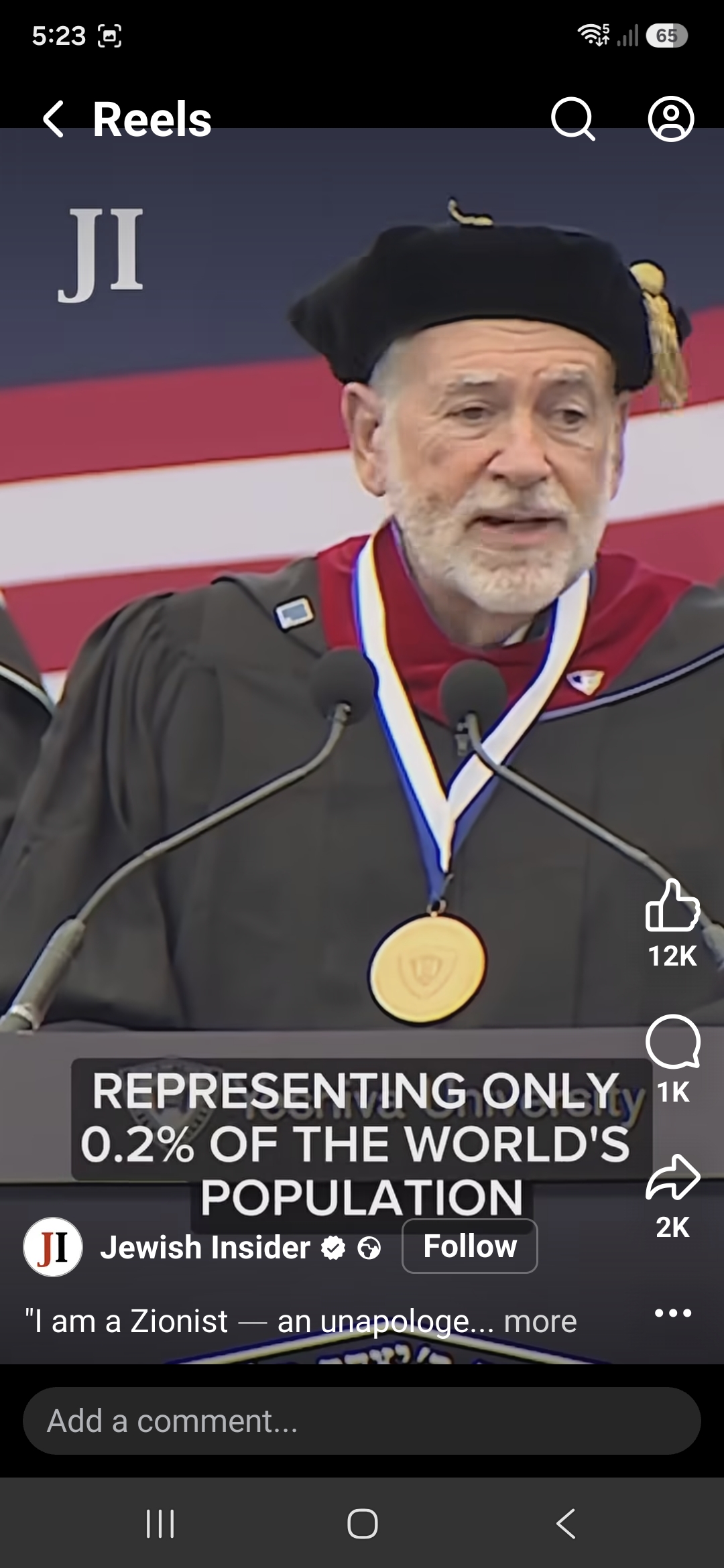
Huckabee opened with a line that landed hard across the stadium. He told the crowd: I want you to know, I’m not a Zionist because I’m Jewish. I’m a Zionist, and an unapologetic one, because I believe the Bible and because I recognize that Jews around the world, representing only 0.2% of the world’s population, have created outsized impact on the world.”
He continued, “And unfortunately there are people who hate you for that. But I’ve determined that really, more than they hate you, they hate the God who chose you 3,800 years ago as his people and gave you a place called Israel, and gave you a purpose, which was to present the law and the light to all the world.”
For those who already stand with Israel, this matters more than it might first appear. It reframes support for the Jewish people as an act of biblical faithfulness rather than a political preference that can shift with the news cycle. That distinction is worth sitting with.
The Question His Daughter Asked at Yad Vashem
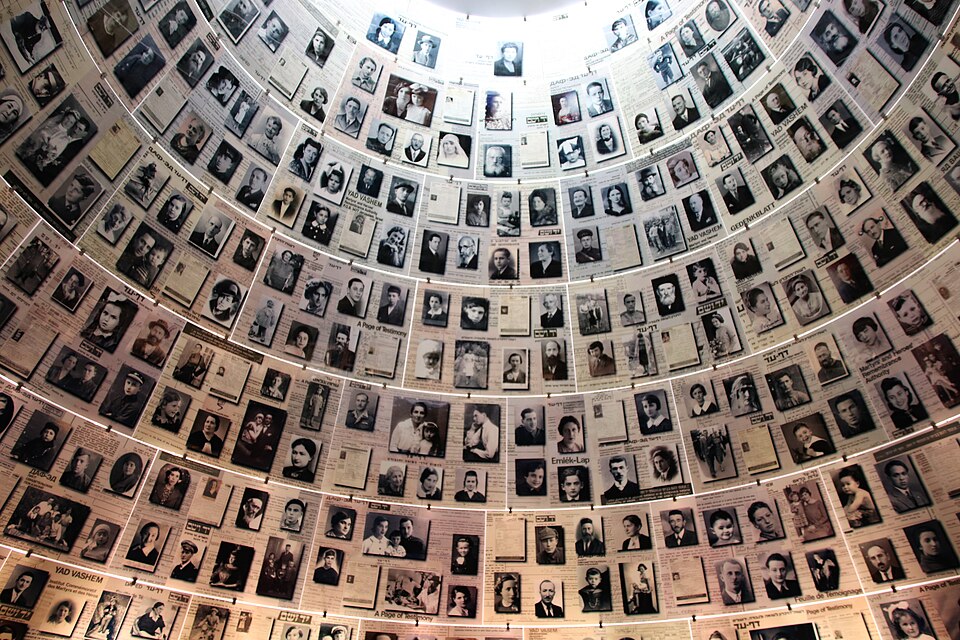
The most quoted moment of the speech came from a personal story. Huckabee described taking his daughter, then eleven years old, to Yad Vashem, Israel’s Holocaust memorial in Jerusalem. He wasn’t sure she was ready to grasp what she’d see there.
After walking through the exhibits, she picked up a pen and wrote one line in the guest book: “Why didn’t somebody do something?” Huckabee let that question hang over the rest of his address, and it’s the kind of question that doesn’t stay in the past once you’ve heard it.
Naming What Antisemitism Actually Targets
Huckabee didn’t soften his warning about rising hostility toward Jewish people. He told graduates that those who hate Jews for their outsized impact on the world are, in his words, people who hate the God who chose them as His people.
That’s a striking claim for a commencement stage, and it’s also a biblically grounded one. The Hebrew Bible itself frames the relationship this way. God tells Abraham in Genesis, “I will bless those that bless you, and curse him that curse you” Huckabee’s line puts a modern face on an ancient promise.
Duty to God, to Tradition, and to Those Who Came Before
Huckabee reminded graduates that many of them are grandchildren and great-grandchildren of Holocaust survivors, and that their presence at commencement is itself a testament to survival against enormous odds. He framed their diplomas as a responsibility rather than a finish line.
He closed with a simple charge for graduates to carry into every field they enter: to live with a sense of duty to God, to the values passed down to them, and to the people whose sacrifices made their lives possible. It’s a short list, but it’s not a small one.
What This Means for People of All Faiths Who Say They Stand With Israel
The speech offers a template that reaches well past one graduating class. It roots support for Israel in Scripture rather than in shifting political winds. It connects Holocaust remembrance to a present-day obligation instead of treating it as history to file away.
Huckabee’s own words, and the question an eleven-year-old wrote in a guest book, point to the same conclusion: sympathy without action doesn’t hold up under scrutiny. Being the somebody who does something is not just Huckabee’s message to Yeshiva’s Class of 2026. It’s a fair question for anyone who calls themselves pro-Israel to ask of their own life.
Want to keep reading? Read here about what we can learn about standing with Israel from Huckabee’s challenge to Mamdani. Explore more on faith, values, and the Land of Israel at Sinai Project.
Discussion0
No comments yet — be the first to share your thoughts.