Vance Hormuz Remarks: Iran Losing Leverage Under Pressure
Vice President J.D. Vance said Iran’s Hormuz leverage is weakening as U.S. pressure supports the goal of preventing Tehran from acquiring nuclear weapons

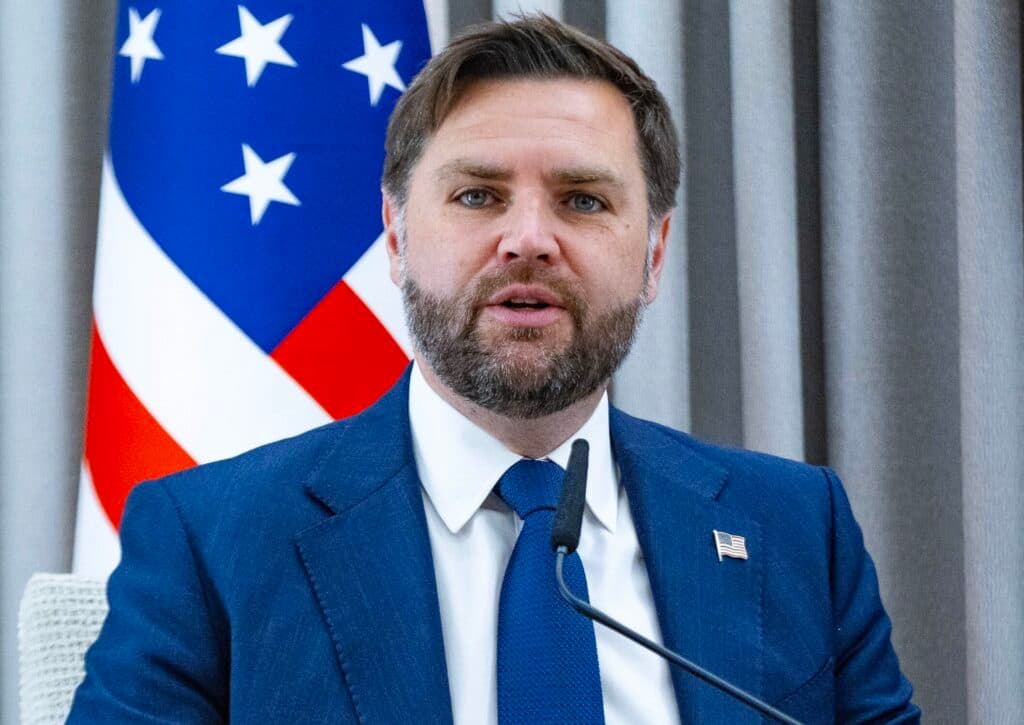
Vance Hormuz remarks sharpened the Trump administration’s message that Iran is losing leverage as American pressure builds around the Strait of Hormuz and Tehran’s nuclear program.
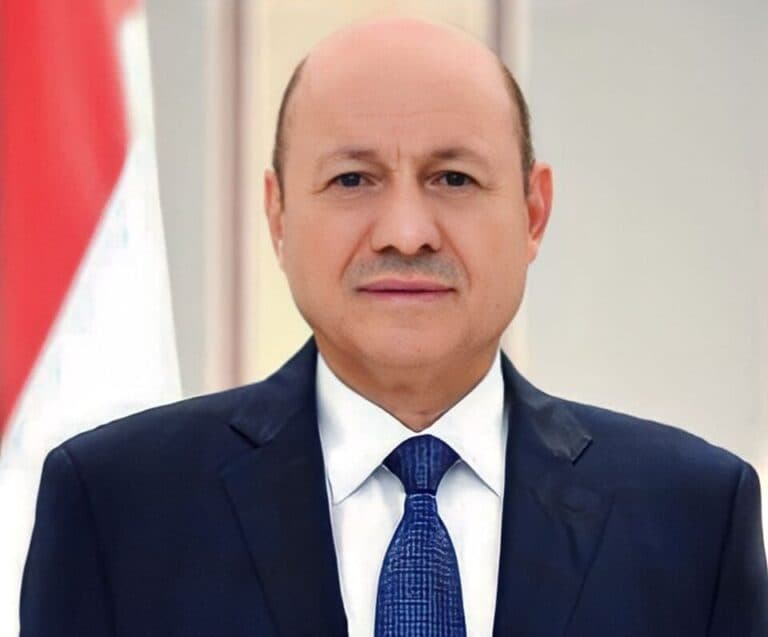
U.S. Vice President J.D. Vance said America’s first and most fundamental objective in the Middle East remains preventing Iran from acquiring nuclear weapons.
“Our first and fundamental objective for our presence in the Middle East is to ensure that Iran does not acquire nuclear weapons,” Vance said.
He also argued that Iran’s attempts to close the Strait of Hormuz have failed to give Tehran decisive control over global energy routes.
Isaiah says, “Go, set a watchman; let him declare what he seeth.” The image is strategic, not passive. A watchman sees the danger early and speaks before the city sleeps through it. That is the framework behind Washington’s pressure campaign: prevent a nuclear Iran before the threat becomes irreversible.
Vance Hormuz Remarks
Vance said that despite Iran’s attempts to close the Strait of Hormuz, the United States can still move between 7 and 15 million barrels of oil per day through the waterway.
“Iran does not have the capability to cut off international trade routes, and this limits the leverage at its disposal,” he said.
The Strait of Hormuz remains one of the world’s most important energy chokepoints. For years, Iran has used the threat of disruption there as a form of pressure against the United States, Gulf states, Europe, and energy markets.
Vance’s point is that the threat is losing force. If oil can still move through Hormuz under U.S. pressure and coordination, then Tehran’s ability to blackmail the world through the strait is weaker than it wants to project.
That matters because Iran’s leaders have long counted on Western fear of energy shocks. If that fear fades, Washington gains room to keep sanctions, blockade pressure, and military deterrence in place.
Iran Under Pressure
Vance said Iran is under “tremendous pressure,” and that the pressure serves America’s goal of preventing Tehran from obtaining nuclear weapons.
His remarks follow “Baghaei Europe Threats Target U.S. Bases In Iran War.” That article reported that Iranian Foreign Ministry spokesperson Esmail Baghaei warned Iran could strike U.S. bases in Europe if European countries take part in aggression against Iran.
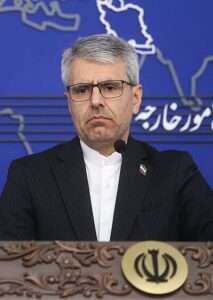
Taken together, the two statements show opposite sides of the same moment. Iran is threatening to widen the map of conflict. Washington is arguing that Tehran’s central leverage points are shrinking.
That is why Hormuz matters beyond oil. The strait has become a test of whether the Islamic Republic can still intimidate global markets, divide Western allies, and slow pressure on its nuclear program.
For Israel, the nuclear issue remains the core danger. Iran’s economy, shipping threats, and regional propaganda all feed into the same strategic system: a regime seeking survival while preserving its ability to threaten the Jewish state through missiles, proxies, and nuclear ambition.
From Energy Chokepoint To Strategic Limit
The Trump administration has increasingly framed economic pressure as a way to weaken Iran without relying only on offensive military action. Sanctions, oil restrictions, maritime pressure, and allied coordination all aim to narrow Tehran’s choices.
That approach can help Israel if it truly constrains Iran. A weaker Iranian regime has less capacity to fund Hezbollah, Hamas, the Houthis, and militia networks across the region.
Still, the risk remains clear. Iran may answer pressure with escalation. Its officials have threatened shipping routes, U.S. bases, and regional targets before. A cornered regime can become more dangerous, even if its options are shrinking.
Vance’s argument is therefore not that Iran is harmless. It is that Iran’s threats no longer carry the same strategic weight. If the United States can keep oil moving, protect routes, and maintain sanctions pressure, Tehran has fewer cards to play.
Covenant Of Deterrence And Watchfulness
America and Israel stand under separate covenantal missions before God, and this crisis tests both. America’s charge is to use power with discipline, protect global order, and prevent a hostile regime from using nuclear weapons or energy blackmail against free nations.

Israel’s charge is more immediate. The Jewish state must defend its people against Iran’s weapons, proxies, and stated hostility, while refusing to let distant diplomatic optimism replace hard security judgment.
Those missions meet at Hormuz because the same regime threatening oil routes also threatens Israel’s existence. The same pressure that limits Iran’s maritime leverage may also limit its ability to fund terror and advance its nuclear project.
Vance’s message is blunt: Iran cannot count on Hormuz to force the world into retreat.
The next test will be whether American pressure continues to hold. If Iran’s threats lose effectiveness while sanctions deepen, Tehran may face the very outcome it has tried to avoid: a negotiation table where its leverage is reduced and its nuclear ambitions face real limits.
For Israel and the United States, that is the strategic goal. Not pressure for its own sake, but pressure that protects life, restrains evil, and denies Iran the power to terrorize the region with nuclear weapons.
For more stories on Israel, faith, and the values behind the headlines, follow Sinai on Facebook and Instagram.
Discussion0
No comments yet — be the first to share your thoughts.