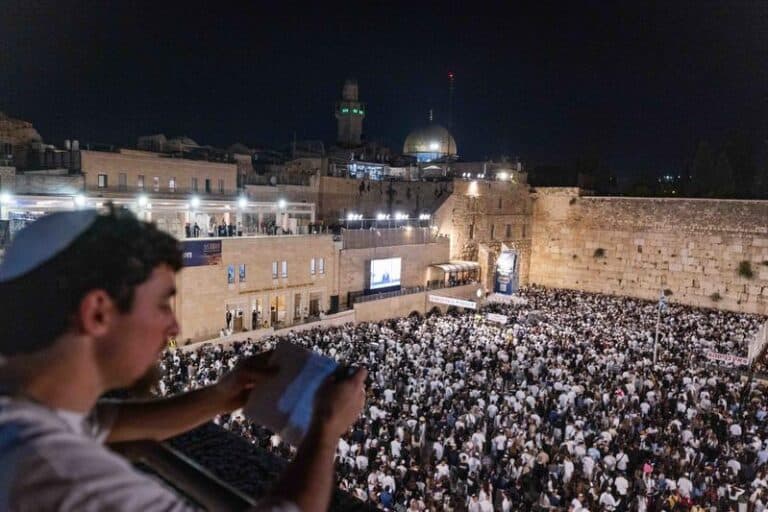

Jews pray for forgiveness (Slichot) at the Western Wall in Jerusalem’s Old City, early on August 16, 2026, ahead of the Jewish holiday of Rosh Hashana (the Jewish New Year) | Photo: Chaim Goldberg/Flash90
It was 1:27 in the morning when I first heard it. I was standing outside a stone synagogue in Jerusalem’s Old City, half asleep, wondering why I’d agreed to this. Then the doors opened, and a wave of voices spilled into the alley, hundreds of people singing together in the dark.
What Are Slichot, Exactly
Slichot means “forgivenesses.” These are ancient penitential prayers recited during the Hebrew month of Elul, the final month before the Jewish New Year. They weave together biblical verses, centuries-old poems, and personal confession. At the center of it all sits the Thirteen Attributes of Divine Mercy, words God spoke to Moses after the sin of the Golden Calf.
Why the Middle of the Night
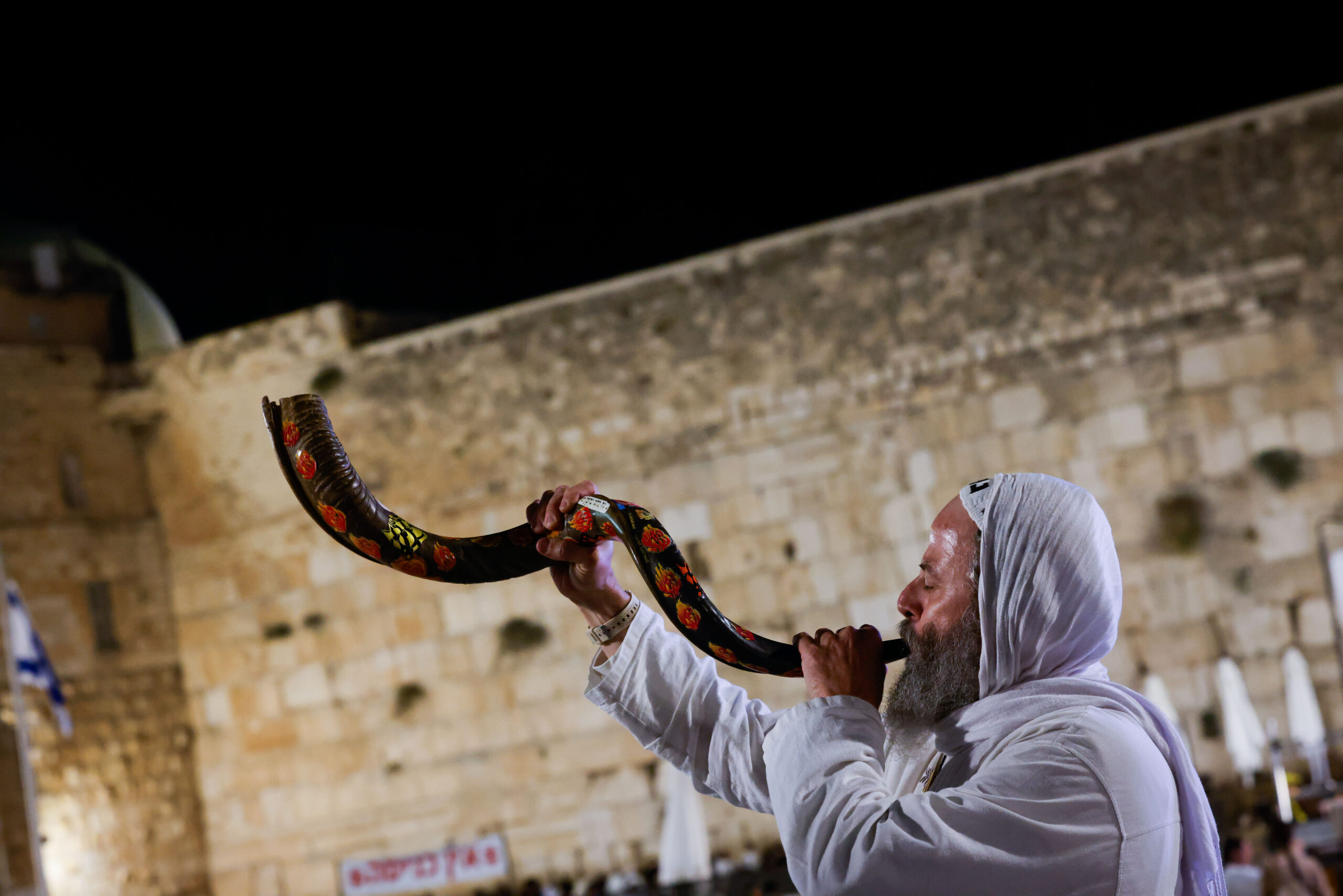
Jewish tradition holds that the deepest hours of night carry a unique spiritual weight. The last third before dawn, known as Ashmoret HaBoker, is considered a time of mercy rather than judgment. People wake while the world sleeps and offer their prayers in that stillness, before the noise of the day has a chance to interrupt them. For some, it’s easier to wake up early before the morning prayer of Shacharit to pray Slichot then, after dawn.
I remember asking a rabbi in that Old City neighborhood why anyone would choose 1am over a normal prayer service. He told me something I’ve never forgotten: the middle of the night strips away pretense. Nobody performs for an audience at that hour. You show up because you mean it.
A Season Built on Mercy
Elul carries a tradition that Moses climbed Mount Sinai on the first day of that month to plead for Israel’s forgiveness after the Golden Calf. Forty days later, on Yom Kippur, tradition holds that God answered him: “I have forgiven, as you have asked.” That forty-day arc became the blueprint for the entire season, a rehearsal in humility that still plays out every single year.
The Hebrew Bible captures this mercy directly. In Exodus, God describes Himself to Moses as “merciful and gracious, slow to anger, and abundant in goodness and truth.” Those same words are recited again and again throughout Slichot, treated less like poetry and more like a promise being claimed.
A Few Things Most People Never Learn
- Sephardic communities recite Slichot every night throughout Elul, while Ashkenazic communities begin the Saturday night before Rosh Hashanah, ensuring at least four nights before the New Year arrives.
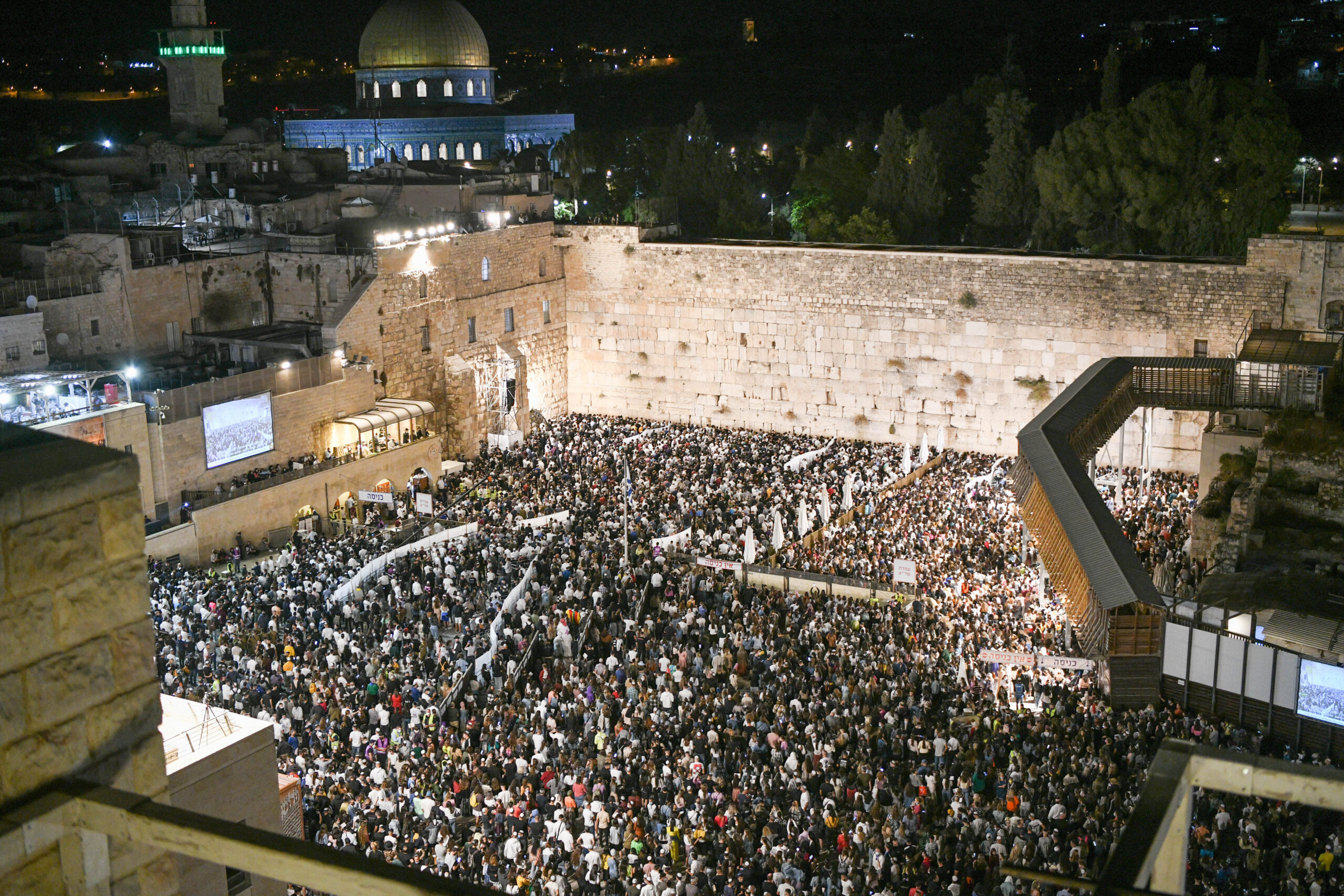
- In Jerusalem, tens of thousands gather across the Old City night after night during this season, from soldiers still in uniform to grandparents leaning on canes.
- The prayers include no shortage of communal confession, said together, out loud, as one voice rather than as scattered individuals.
Why This Should Move Any Person of Faith
Few religious traditions have struck me the way Slichot has. It’s really a phenomenon. This is a nation choosing, voluntarily, to wake in the dark for weeks at a time, not for spectacle and not for anyone watching. They come to receive mercy rather than to perform righteousness, and they come together rather than alone.
Back on That Jerusalem Street
Standing in that alley years ago, I didn’t understand a word of the Hebrew being sung. I understood the sound of it, though: hundreds of people, awake before dawn, asking together for something they believed was actually within reach.
Discussion0
No comments yet — be the first to share your thoughts.