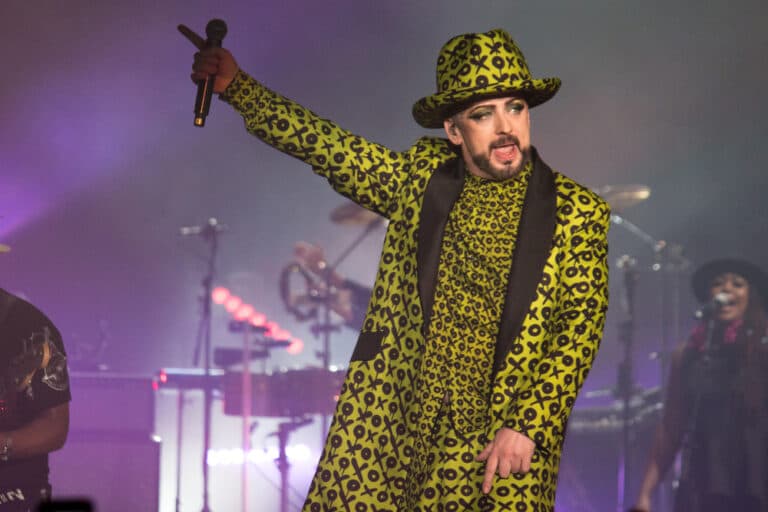

Boy George “Culture Club” on stage at Wembley Stadium, 2016
I still remember the first time I heard “Karma Chameleon” blasting from my dad’s car radio, long before I understood a single thing about Israel or faith. So when I found out the same voice behind that song had just released one standing firmly with the Jewish people after October 7, I had to know the whole story.
Five Quick Takeaways
- Boy George, the 80s icon behind Culture Club, just released a song defending Israel after October 7.
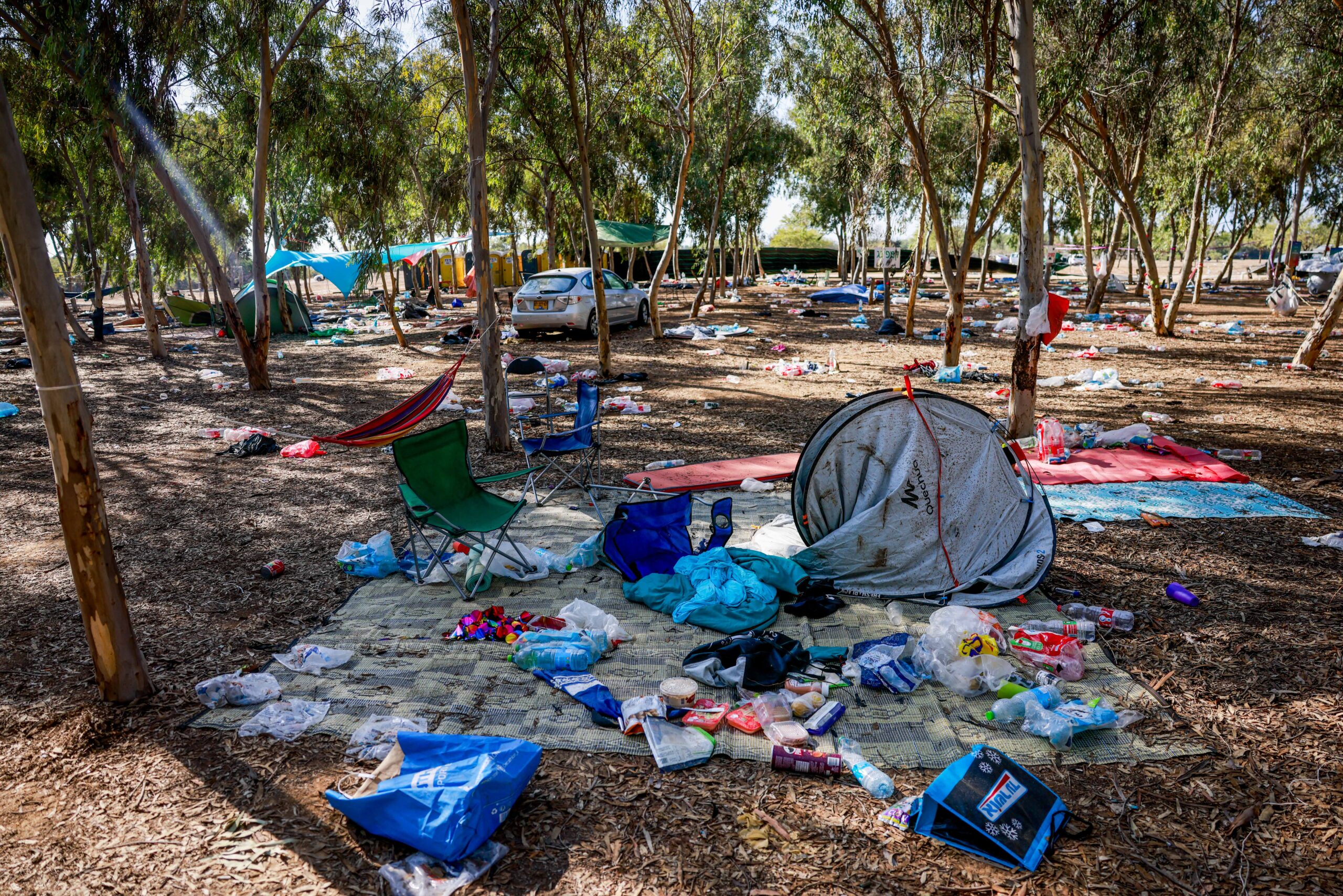
- The track pulls its title from the hope of dancing again after the Nova festival massacre.
- George has said plainly, “I stand with the Jews.”
- His bond with Jewish friends goes back to when he was just 15 years old.
- He’s calling out antisemitism in music and Hollywood while most of his industry stays silent.
Who Is Boy George, Really
Before the politics, there was the music. Boy George fronted Culture Club, the British band that ruled the airwaves in the early 1980s with hits like “Karma Chameleon” and “Do You Really Want to Hurt Me.”
He climbed to the very top of pop stardom, becoming one of the most recognizable faces on the planet almost overnight. The bold makeup, the unforgettable style, the voice that still packs stadiums today, all of it turned him into a household name across the globe.
Britannica calls him a trailblazer of 1980s music and fashion, a title that still holds up decades after his rise to the top. He’s also found a new spotlight recently, joining the judging panel on The Voice in both Australia and the UK.
Born George Alan O’Dowd, he grew up in a working class Irish Catholic family in London. Long before this song, he’d already built a reputation for speaking out against antisemitism.
Here’s a fun bit of trivia. Back in 1982, during the iconic “Do You Really Want to Hurt Me” video, he wore a shirt with “Culture Club” written in Hebrew, decades before anyone was talking about October 7. This bond has been part of who he is for a long time, long before it became the subject of headlines.
A Music Industry Gone Quiet
Antisemitism has been spreading through entertainment circles at an alarming pace. Musicians cancel tour stops, actors sign open letters, and entire award shows tiptoe around the word “Israel” like it’s radioactive.
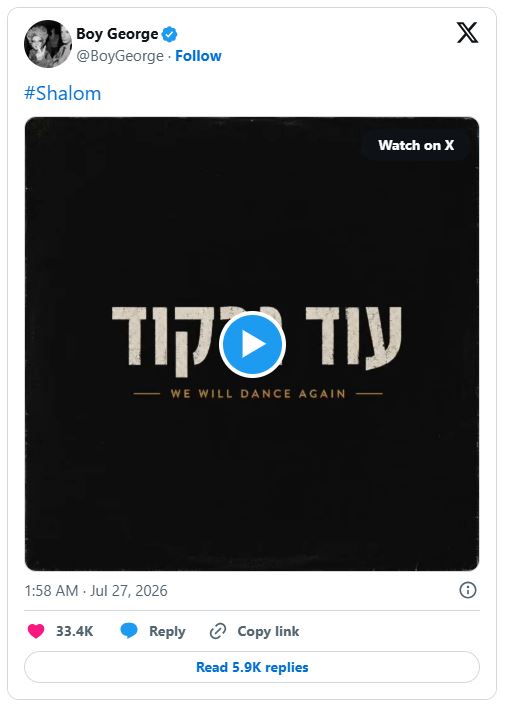
Boy George looked at that climate and did the opposite. He’s committed his views to music, releasing a new song on social media, a song that is strong on facts and humanity. And pushes back against the zeitgeist of lies against Israel.
He released a reggae song on social media July 27, 2026, “We Will Dance Again.” It’s a song that directly confronts accusations against Israel and reframes the nation’s response as war after a brutal attack, not the caricature so often painted in headlines.
The full song lyrics are:
“You say genocide / I say war / When you’re attacked / That’s what the army is for / Does it get ugly? / You bet it does / When I know you want to kill / Every last one of us
You never mention October 7
Young girls raped against trees / Murdered brutally / For the crime of dancing / You condemn the Jews /With selective memory / Musicians holding flags / Mouthing like sheep / Propaganda fueled by the internet / Feels so weak
But trust me, we will dance again / We will dance again / We will dance again / And there will be no war / But if you’re ever confused / I stand with the Jews / I don’t feel brave / I just need to behave like a human.”
📖 Read this article about three classic Israeli songs that inspire hope and faith in troubling times.
Friendship, Not Politics
What makes this stand out is where it comes from. Boy George has said, “Growing up, I’ve had so many beautiful Jewish friends, and I still have.” He’s also shared that many of these friendships go back to when he was 15 years old.
When asked if he’d abandon those friends under public pressure, his answer came fast. “That is not going to happen. It will never happen.” He’s added, “I know lots of amazing Jewish people. If you don’t know any Jewish people, maybe that’s the problem.”
This is a man choosing people over pressure. “I don’t feel brave, I just need to behave like a human,” he said, turning the whole conversation into something refreshingly simple.
A Bond That Started in Tel Aviv
His connection to Israel didn’t start this year either. After performing in Tel Aviv years ago, he faced backlash and responded, “Israel is in my heart.” He’s said he plays “for my fans, not politicians,” a line that says more about his character than any headline could.
More Than A Melody
Anyone tired of the noise around Israel might find something surprising in this song. It asks listeners simply to see people, real friendships, real history, real joy that refuses to be erased, regardless of where they stand on any policy or headline.
Give the song a listen. Better yet, go meet a Jewish family in your community. Boy George figured out loyalty matters without ever needing a theology degree, and that lesson is available to the rest of us too.
I put “We Will Dance Again” on repeat the night I finished writing this, thinking back to that kid in my dad’s car singing along to “Karma Chameleon” without any clue where that same voice would eventually lead. Back then it was just a catchy tune on the radio.
Now it’s turned into a voice standing up for the Jewish people. That’s the part that gets me. The same artist, the same fearless streak, just aimed at something so much bigger than pop charts this time around. To me, Boy George is an inspiring example of principal over fashion, humanity over hatred.
Want to keep reading? Find out how this Israeli rap song predicted (or prophesied?) the end of Nasrallah. Explore more on faith, values, and the Land of Israel at Sinai Project.
Discussion0
No comments yet — be the first to share your thoughts.