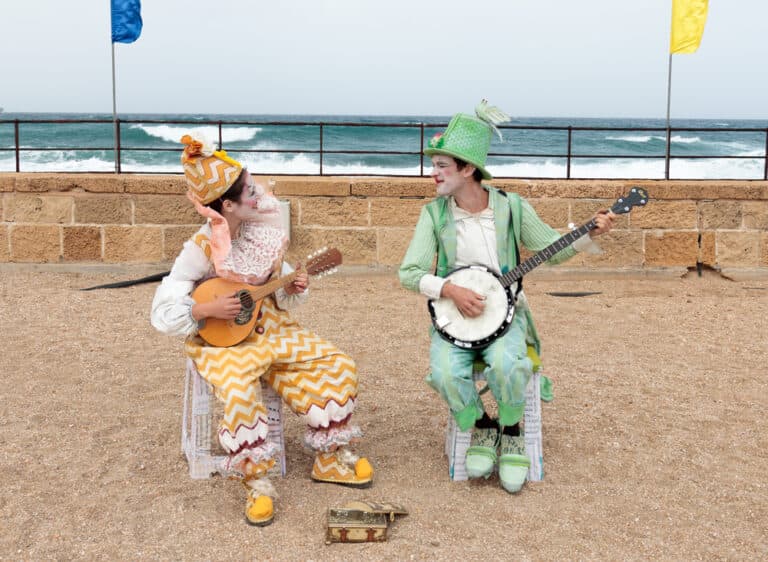

Purim in Caesarea. | Photo: Dmitriy Feldman svarshik / Shutterstock.com
Traveling to Israel is a thrilling experience that can bring you closer to the roots of your faith. However, like any trip to a foreign land, it’s important to prepare well to ensure you make the most of your time in this holy place. Here are some practical guidelines to help you plan your visit to Israel with confidence.

What Clothes to Pack
When it comes to clothing, remember that Israel tends to be more relaxed and casual, especially in comparison to many other countries. You’ll find that dressing up for dinner is not necessary, and flip-flops are commonly worn. That said, because Israel is home to numerous sacred sites, you’ll need to respect the spiritual atmosphere by dressing modestly. It’s a good idea to pack long pants and shirts with sleeves that cover your upper arms, as most religious sites require this. Some places may provide shawls or cover-ups if your attire is not appropriate.
Israel is a desert country, and temperatures can fluctuate significantly throughout the day. Expect hot days, but cool evenings and mornings, so layering is key. Consider packing a short-sleeve shirt, a long-sleeve layer, and a sweater, hoodie, or jacket to ensure you’re comfortable throughout the day. Since many streets are paved with stone, bring thick-soled shoes or sandals to protect your feet and ensure comfort as you explore. Winters can surprisingly be quite cool and rainy. In Israel, you are likely to spend more time walking around outdoors than you do at home, so the right gear can make a big difference.
Understanding Israel’s Calendar and Holidays
Israel follows two calendars simultaneously: the Gregorian calendar, which is familiar worldwide, and the Jewish calendar, which dictates the timing of Jewish holidays and festivals. Understanding these dates will help you plan your trip around key events, especially if you want to experience Israel during a particularly holy or significant time of year. Some examples (there are quite a few more red-letter Jewish calendar days) include:
Shabbat: Every week, starting on Friday evening until sundown on Saturday, the tempo changes. There is less traffic, and fewer restaurants, shops, and sites are open. It can be helpful to make a reservation for Friday night dinner or Saturday lunch in your hotel to ensure you have a good place to eat.
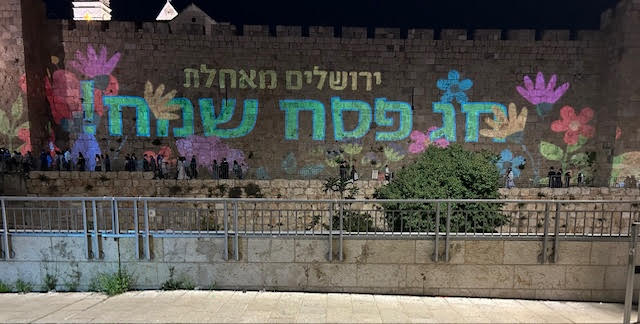
Passover (Pesach): A significant Jewish holiday that lasts for seven days in the spring. In preparation, shops and offices close early the day before, and special dietary restrictions (like avoiding leavened bread) are followed. Some foods you may be used to might not be available during this time—for example, you will find matza or rolls made from potato flour instead of bread. Hotels book up early, and prices for accommodations and restaurants may be higher than usual. Passover often coincides with Easter. Having both holidays in Jerusalem at the same time means many sites are either closed or packed, and even Jerusalem’s Old City walkways or roads can be very crowded or be off limits. If you are planning a visit in April, check all details carefully with a local guide or tour company.
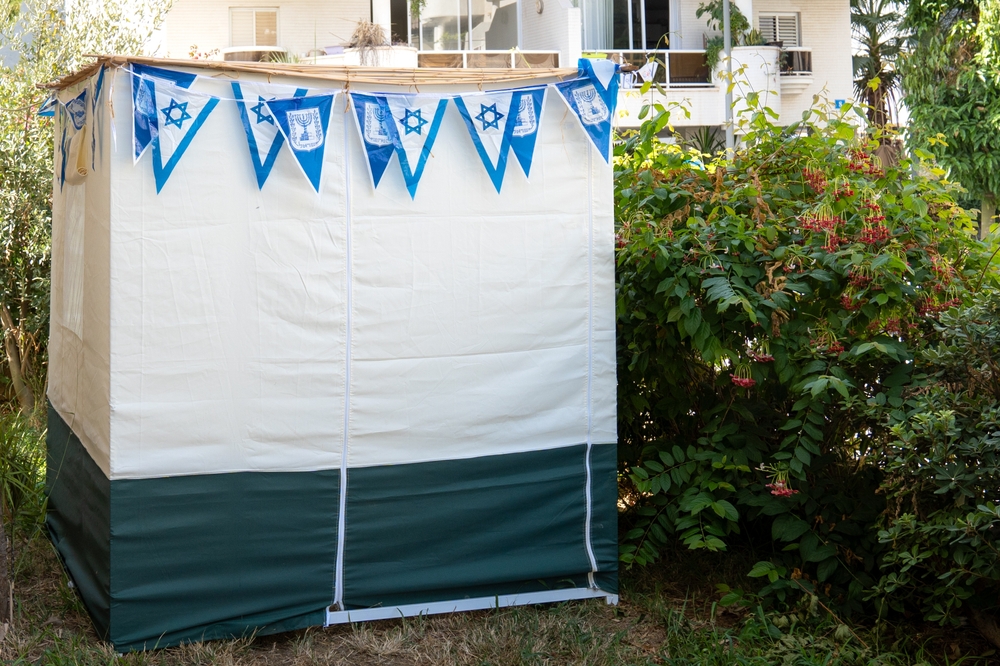
Sukkot (Tabernacles): Another important holiday that lasts seven days, marked by the construction of temporary shelters (sukkahs) for communal meals and prayers. Although many sites are very crowded with Jewish and gentile holiday travelers, it is a truly beautiful time to be in Israel. The Bible tells us, “Then everyone who survives of all the nations that came against Jerusalem shall go up year after year to worship the King, the Lord of Hosts, and to celebrate the Festival of Sukkot.” (Zechariah 14:16)
Purim: While it’s celebrated for just one day outside of Israel, it extends for several days within Israel, with festive parades, costumes, and the sharing of holiday treats. During this time, everyone—from schoolchildren to shopkeepers and taxi drivers—dresses up and celebrates! You’ll feel as if you’ve walked into the pages of the Book of Esther when you visit Israel on Purim.
When planning your trip, be sure to check the Jewish calendar for any holidays that might coincide with your visit, as it could affect store hours and other services.
Weather: Stay Cool and Hydrated
Israel’s climate can feel intense, especially during the summer months (from mid-May through October), with daytime temperatures soaring. Winter, though brief, can be chilly, and spring and autumn tend to be short. Air conditioning is widely available in buildings and vehicles, and many—though not all—outdoor walking paths are shaded. Touring in Israel tends to include a lot of time outdoors—summer or winter—so the right gear for being active outside in various types of weather is key.
It’s recommended to drink at least 2.7 liters of water daily, and make sure to wear a wide-brimmed sunhat to protect yourself from the strong sun. While visors might shield your face, they don’t protect the top of your head, so opt for a full-brimmed hat instead. Sunscreen is also a must.
Connecting with the Locals
One of the most enriching aspects of visiting Israel is connecting with the locals. Israelis are known for their warmth and friendliness. They’ll likely respond to you in English, even if it’s not perfect, and they’ll be eager to help with directions or share their stories—especially about their trips to the United States.
Expect to engage in passionate discussions about politics, sports, and life in general. While this directness might feel a bit forward by American standards, in Israel, it’s all part of the genuine embrace of hospitality. Israelis are proud of their country and culture, and they love to share that with visitors.
Esti Herskowitz is a licensed guide in Israel. She’s addicted to biblical archaeology, the natural beauty of the Land of Israel, and powerful stories from Israel’s history. Contact her for tours at Esti.h.tours@gmail.com
Discussion0
No comments yet — be the first to share your thoughts.