Israel Lays Ran Gvili to Rest, the Last Hostage to Return Home from Gaza
Hundreds of mourners gathered today (Wednesday) in the southern Israeli community of Meitar to accompany Staff Sgt. Rani (Ran) Gvili to his final resting place – 845 days after his death on October 7, 2023. Gvili, a fighter in the Israel Police elite Negev Yamam unit, was among the first to rush into battle during
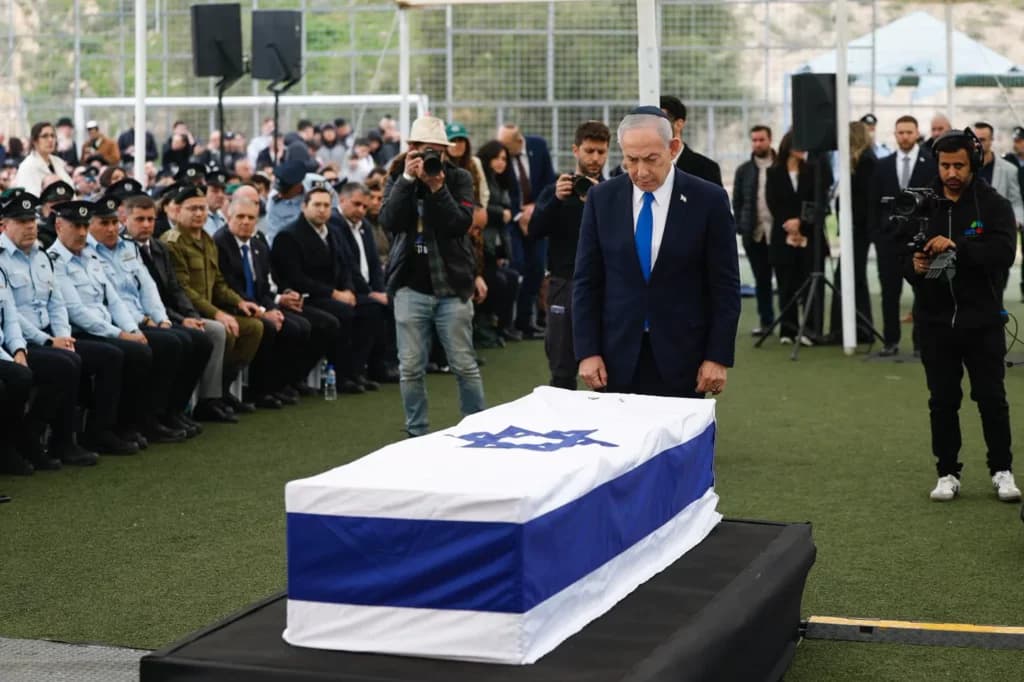
Prime Minister Netanyahu pays final respects | Photo: Chaim Goldberg/Flash90
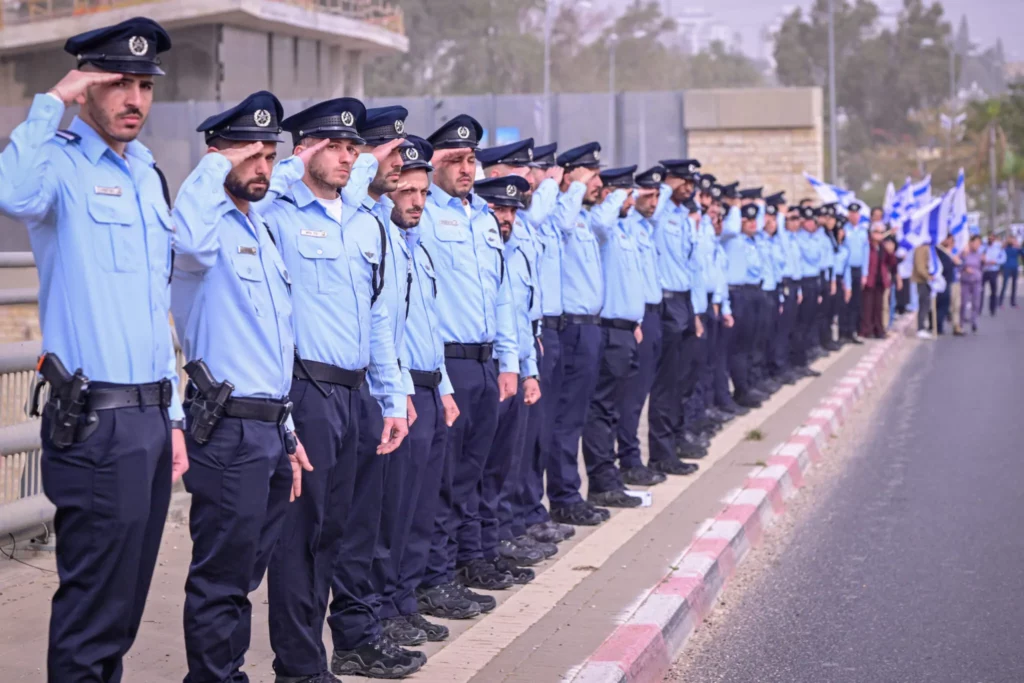
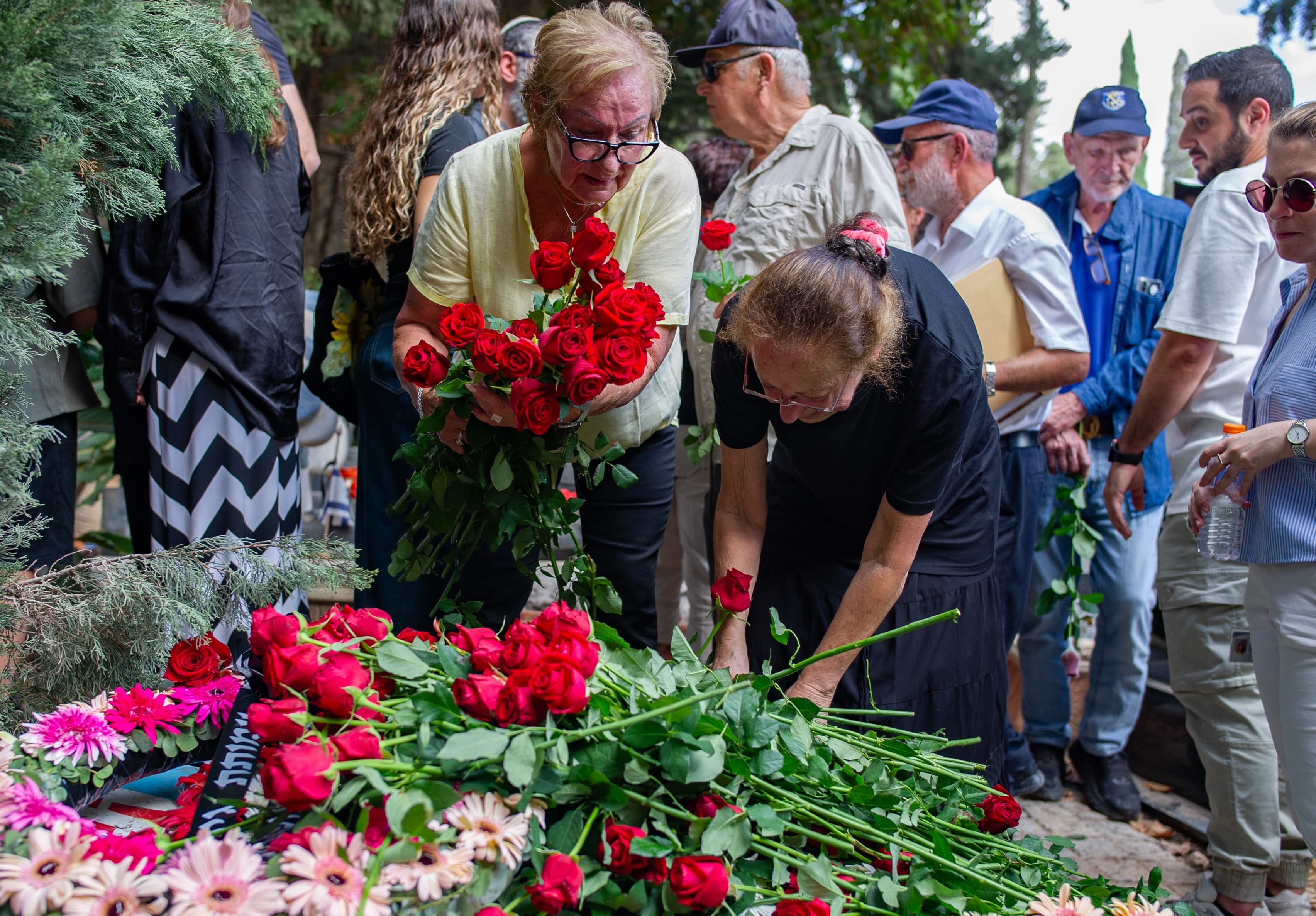
Hundreds of mourners gathered today (Wednesday) in the southern Israeli community of Meitar to accompany Staff Sgt. Rani (Ran) Gvili to his final resting place – 845 days after his death on October 7, 2023. Gvili, a fighter in the Israel Police elite Negev Yamam unit, was among the first to rush into battle during Hamas’s brutal assault wave and is now the last Israeli captive whose body was recovered from Gaza. The funeral was attended by Israel’s Prime Minister, President and other dignitaries, police officers, soldiers, family members, friends and members of the public.
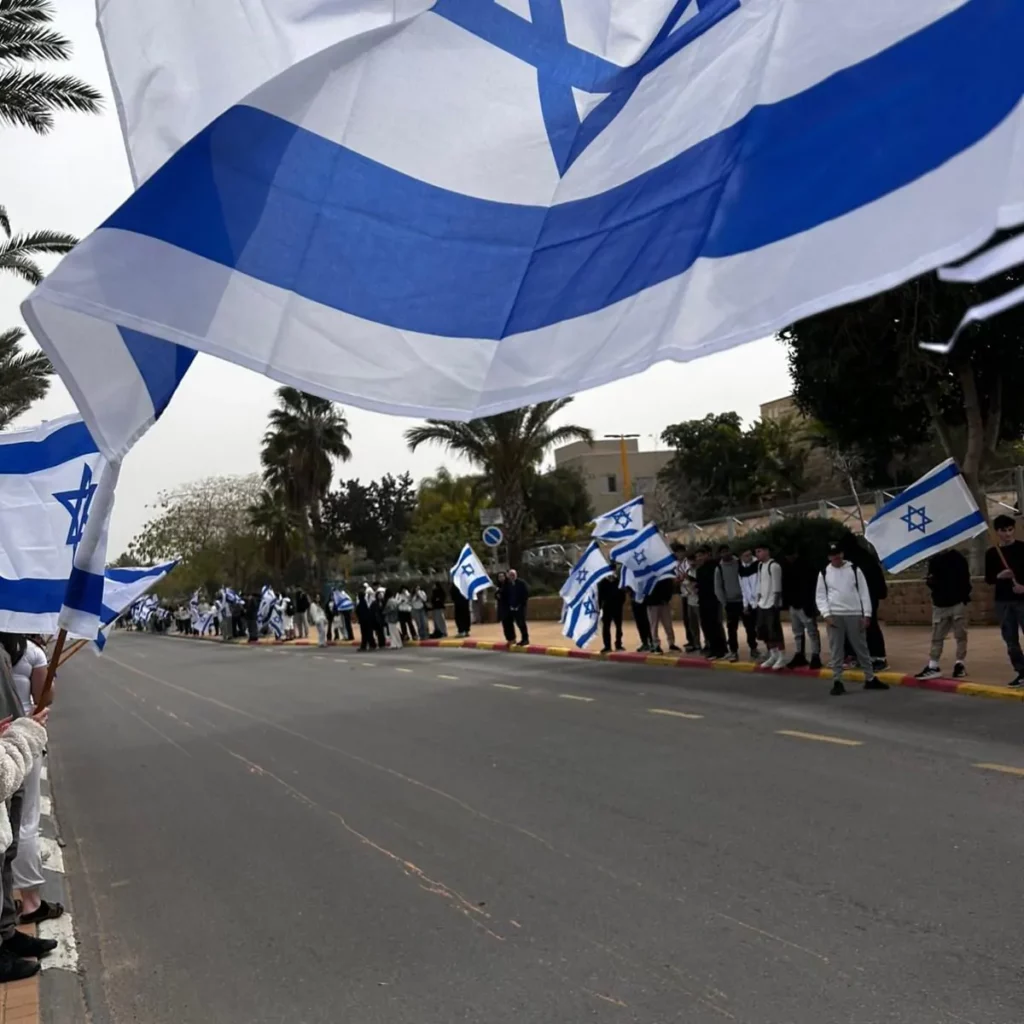
Students from Ran’s high school line the street | Photo: “Branco Weiss” Spokesperson
“Rani, My Beloved—Make Sure to Unite Everyone”
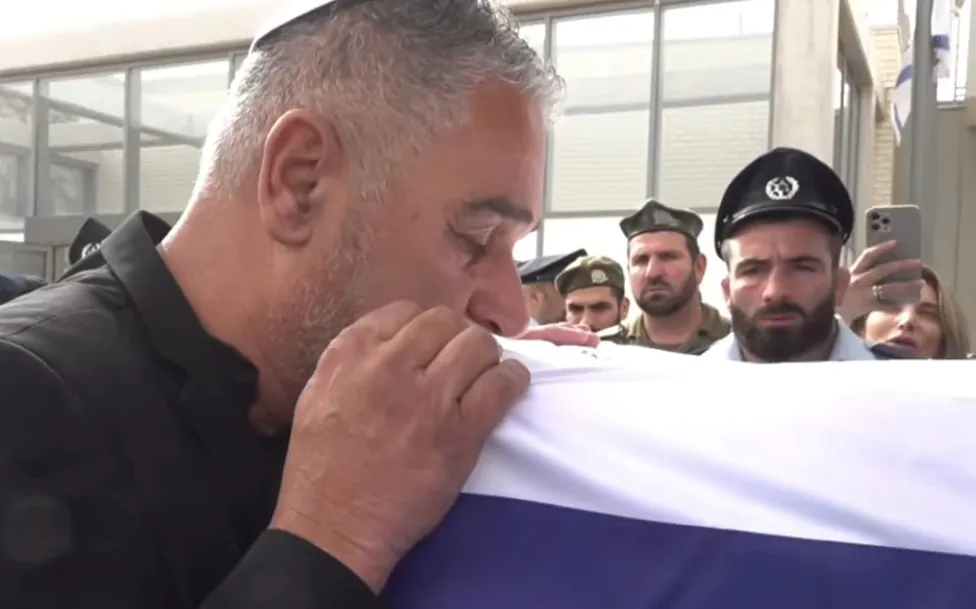
As the family arrived at the Shura military base, Rani’s father, Yitzhak, recited Kaddish, the Jewish prayer of mourning, beside his wife, Talik. Before the coffin was transferred, he kissed it and saluted.
Rani’s mother, Talik (Tal) Gvili, delivered a eulogy filled with grief, faith, and defiance:
“I just wanted to tell you, my beloved child, that the hope that you might return to us on your own two feet – or even on one – gave us strength.
Rani, my love, I promise you that largely because of you, the entire people of Israel were reminded that we are one great, strong nation, despite all our disagreements. Everyone is worthy of your sacrifice.
To the Hamas terrorists I say: You tried to frighten the people of Israel – look what remains of you. Know this, cowards: Rani and the heroes of the kingdom give us the strength to erase you. There is no people like the people of Israel.
Rani—make sure to unite everyone.”
Rani’s father, Itzik (Yitzhak) Gvili, spoke without notes:
“Rani, I didn’t write anything, because I always speak from the heart – what I feel in that moment.
To see everyone here standing before you, and what you did, and how you saved lives, and united people—this is not something to be taken for granted.
Every day we discover something new about you. Even a few hours ago, when we received you at Shura, opened the coffin, and touched you, and after two years you were whole.
You are missing from me every single second.”
Yitzhak (Itzik) Gvili at his son’s coffin | Photo: Israel Police
Rani’s older brother, Omri Gvili, shared the last conversation he had with Rani on the morning of October 7:
“I remember that cursed day, my last conversation with you at 10:45. I told you the country was burning and that you were officially on sick leave because of your hand.
But you answered me calmly: ‘Omri, I’m in the middle of a firefight. Is it urgent?’
I said, ‘What firefight?!’ I started to panic and didn’t understand what was happening.
In the second call he said, ‘Omri, let me finish what I’m doing. Everything is fine.’
I’ve been waiting for that call ever since—but today I closed the circle.
Today, my hero brother came home.”
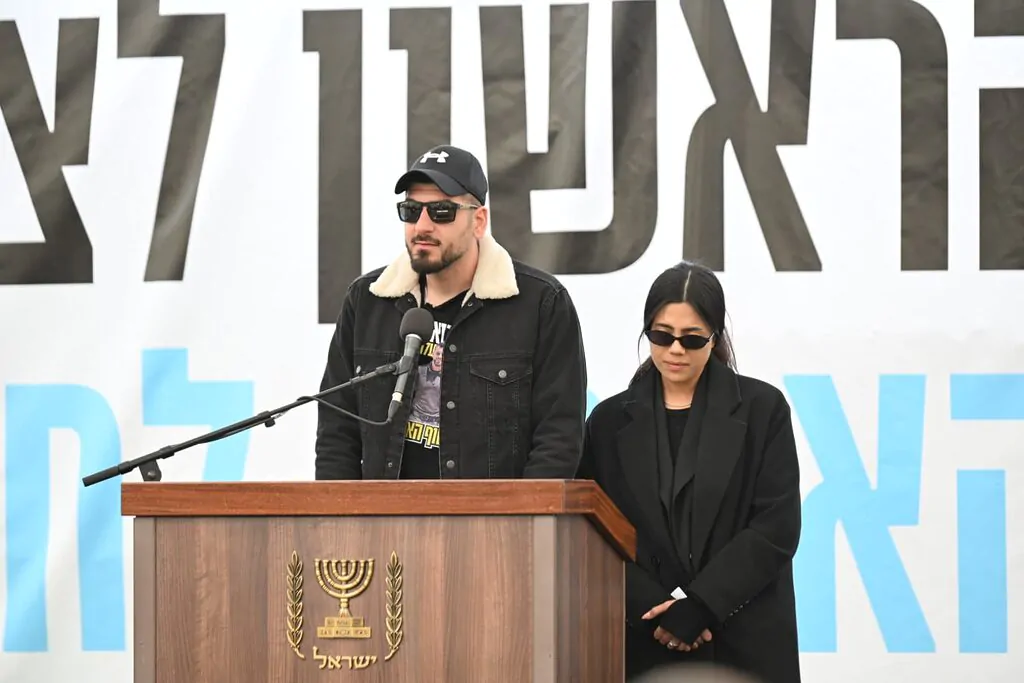
Omri and Shira Gvili during the eulogies | Photo: Paulina Patimer
Later, Omri added:
“I look around and see everyone here, and I feel all of you. Who better than me knows our hero Rani—I am simply proud. Proud to be your big brother.
Today I can say that life can go on. Today we can finally say that the day called October 7, 2023, has ended.
The pride we feel is not only family pride—it is the pride of an entire nation. I wish for our wonderful people that everyone would be like Rani.
Bringing my brother home—there is no greater image of victory than this.”
“Our Pride Is Stronger Than Our Sorrow”
Israel President Isaac Herzog addressed the family and the nation:
“Dear Gvili family, here—at last—Rani has returned to the landscape of his homeland, to true rest in the soil of home, which receives him with love and gratitude.
His return is also a moment of immense significance for an entire nation—a moment in which, as you said, our pride is stronger than our sorrow.
From the sanctity of this moment, the shattered fragments of our hearts can slowly begin to gather toward healing and repair, which we so desperately need as a people.
We pray for the return of all Israel’s missing persons. May the soul of national hero Staff Sgt. Rani Gvili be bound forever in the bond of life.”
Final Salute | Photo: Avshalom Sassoni/FLASH90
Prime Minister Benjamin Netanyahu spoke after Herzog:
“Yesterday I watched our soldiers and commanders inside Gaza, filled with a sense of mission and faith, as we completed the national task.
When Rani was identified, our soldiers burst into song. They sang ‘Hatikvah’ with full voice, and it moved my heart deeply.
If we had not believed—we would not have acted. If we had not acted—we would not have found him. And if we had not found him, the wound would have remained open forever.
But we believed, we acted, and we found Rani.
Rani saved many lives, even after being shot twice. He defended Kibbutz Alumim and killed 14 terrorists. His battle—until the last bullet—will be remembered for generations.”
Sanctified in Life and Death
On October 7, Rani Gvili was officially on medical leave, suffering from a broken shoulder and days away from surgery. When he learned of the attack, he rushed to the battlefield. Along the way, he saved numerous civilians fleeing the Nova music festival, then fought in Kibbutz Alumim, where he fell in battle and his body was abducted by Hamas.
On Wednesday, 845 days later, the people of Israel brought him home, Israeli soldiers combing through bodies in a Gazan cemetery until his body was found.
Around the world, many observers have been struck by how deeply Israelis care about the recovery and burial of every fallen person as an unshakeable moral imperative. Apart from the psychological closure of knowing a loved one’s fate for certain and having a burial site to pay respects at, Jewish tradition regards the body of the departed as sacred – the vessel of a holy soul. It is considered disrespectful to eat, pray, or study Torah in the presence of a corpse, though it is permitted to recite Psalms. From the moment of death until burial, a body may never be left alone; at least one adult stays with it at all times out of respect, acting as an “honor guard”. Every part of the body must be buried, which is why Israel has the ZAKA civilian organization as well as designated army units to carefully collect all body parts and spilled blood in accidents, terror attacks and battle. This reverence has deep religious meaning, both honoring the body that hosted a soul, and symbolically being prepared for resurrection in the time of Redemption.
“This is what the Sovereign Lord says: My people, I am going to open your graves and bring you up from them; I will bring you back to the land of Israel.Then you, my people, will know that I am the Lord, when I open your graves and bring you up from them.I will put my Spirit in you and you will live” (Ezekiel 37: 12-14 NIV).
One day, Ron Gvili, selfless hero, will walk the earth again.
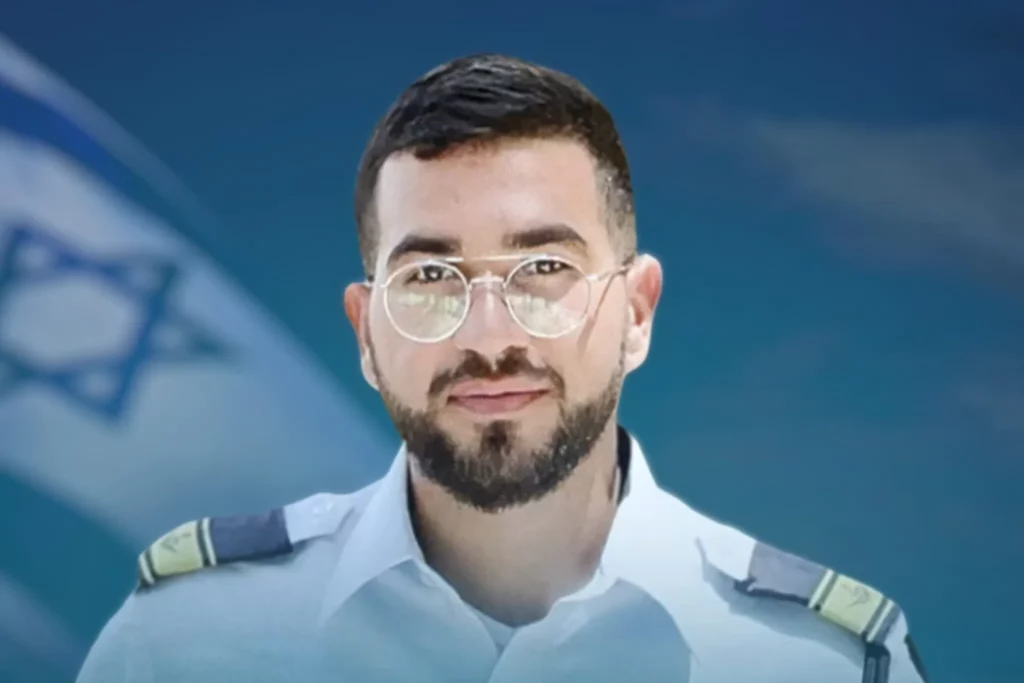
Ran Gvili of blessed memory | Photo Israel Police Spokesperson, Graphics: Rega Studio