International Holocaust Remembrance Day: From Poland to Australia, Memory Becomes a Global Call to Action
On International Holocaust Remembrance Day marked today (Tuesday), remembrance ceremonies, survivor testimonies, and stark new data on antisemitism converged into a single, urgent message: memory must be personal and translated into action. Remembrance Worldwide At the initiative of the Shem VeNer Association, in partnership with Yad Vashem, personal memorial candles were lit in Israel and

By Adi Neiman
Opinion contributor··7 min read
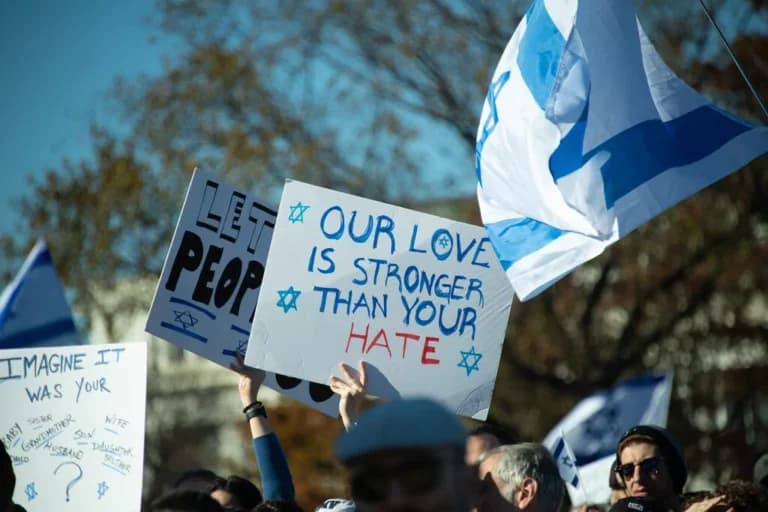
On International Holocaust Remembrance Day marked today (Tuesday), remembrance ceremonies, survivor testimonies, and stark new data on antisemitism converged into a single, urgent message: memory must be personal and translated into action.
Remembrance Worldwide
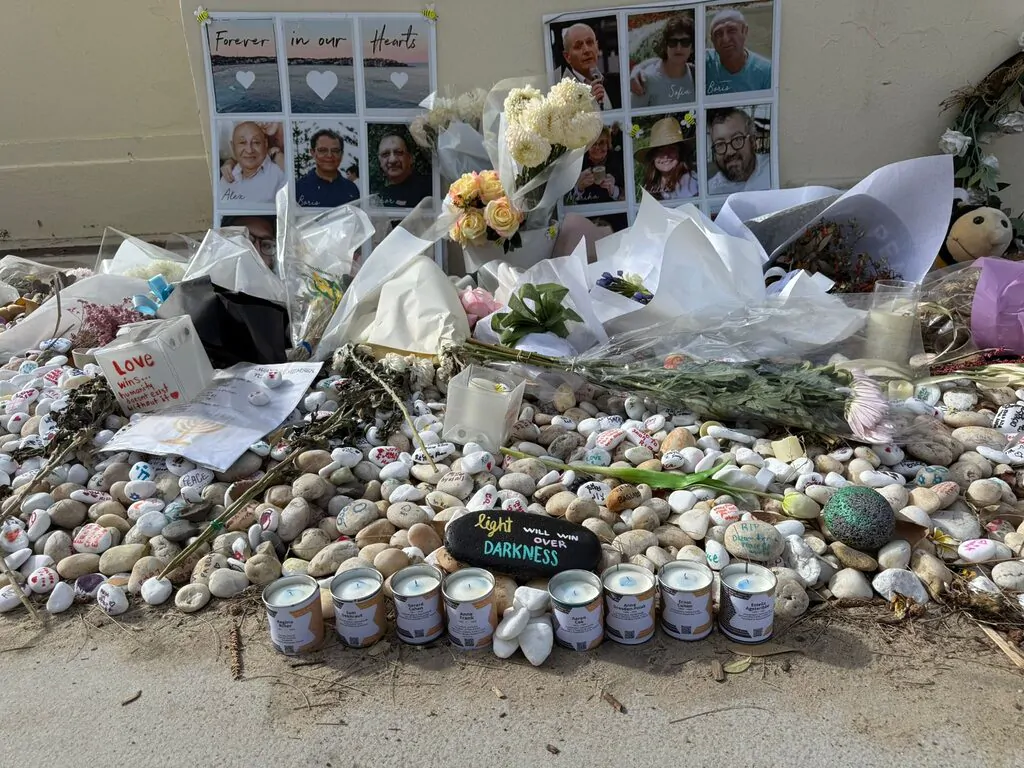
At the initiative of the Shem VeNer Association, in partnership with Yad Vashem, personal memorial candles were lit in Israel and around the world at symbolic locations to restore the human dimension to Holocaust remembrance – names, faces, and life stories.
Head of the Association Rucha Vaknin-Shaar emphasized: “We seek to restore a name, identity and life story to every victim, not only as an act of remembrance, but as a warning to the world. In an era when antisemitism is rising again, memory is a moral responsibility in the present.”
The White House issued an official statement, saying, “Today, we pay respect to the blessed memories of the millions of Jewish people murdered at the hands of the Nazi Regime.”
The President pledged that “In remembrance of all who perished during the Holocaust and in honor of all those who survived and rebuilt their lives from the ashes, we renew our pledge that such evil will never again attain a stronghold in the West…My Administration will remain a steadfast and unequivocal champion for Jewish Americans and the God-given right of every American to practice their faith freely, openly, and without fear…we honor their enduring resilience, faith, and strength—and we recommit to the sacred truth that every human being is made in the holy image of God”.
The American State Department noted the day in an X post:
Today is the International Holocaust Remembrance Day — the anniversary of the liberation of Auschwitz-Birkenau in 1945. https://t.co/Gmyn14LcJw #WeRemember pic.twitter.com/bsd4FILX4P
— Department of State (@StateDept) January 27, 2018
The Auschwitz-Birkenau State Museum in Poland held a commemoration event at the site the Nazi concentration camp:
At Bondi Beach in Australia—site of the deadly Hanukkah terror attack—representatives of the ZAKA organization lit remembrance candles. Some of those participating had themselves assisted in treating the victims of the attack.
In Jerusalem, an event was held a few days ago at the Friends of Zion Museum, where dozens of Holocaust survivors launched the book “I Also Remember a Miracle”, a collection of personal stories from members of the Holocaust survivors’ group “Dolls and Dreams”. Nearly 100 individual memorial candles, each bearing a victim’s name and identity, were lit during the ceremony.
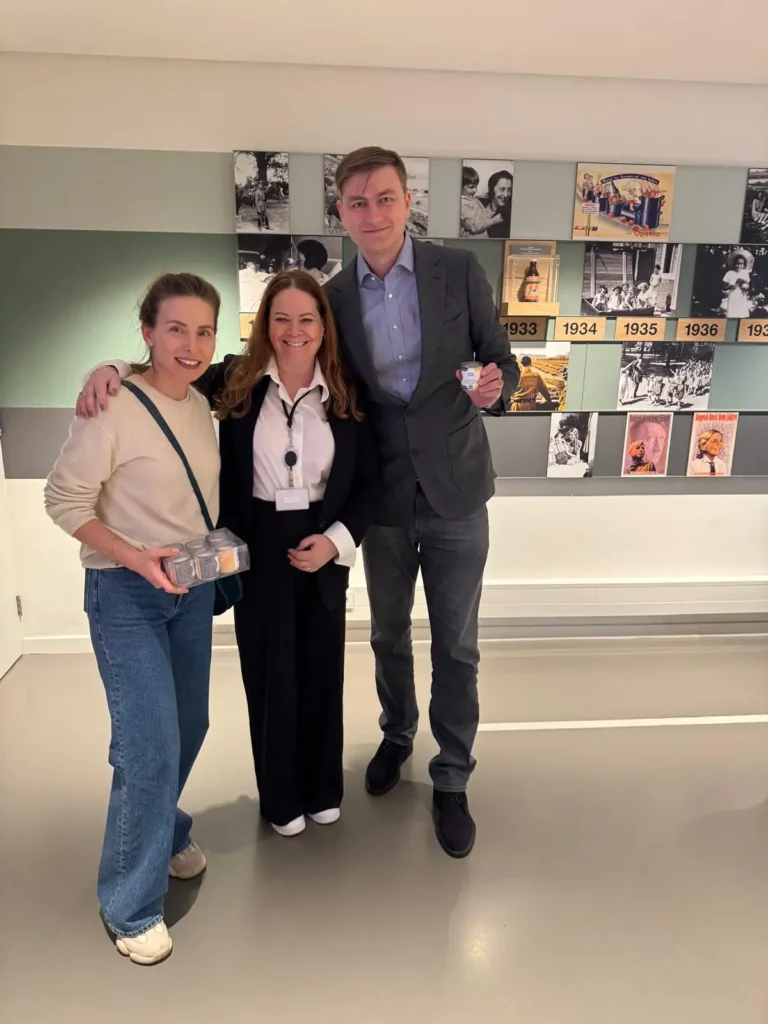
In Amsterdam, social entrepreneur Artem Manilov, founder of BeZikaron (“In Memory”), lit candles at the Anne Frank House.
“Our responsibility today,” Manilov said, “is to make remembrance personal, alive, and relevant—connecting past, present, and future, and preserving Holocaust memory as a moral compass for generations to come.”
Survivors’ Call: “Come Home”
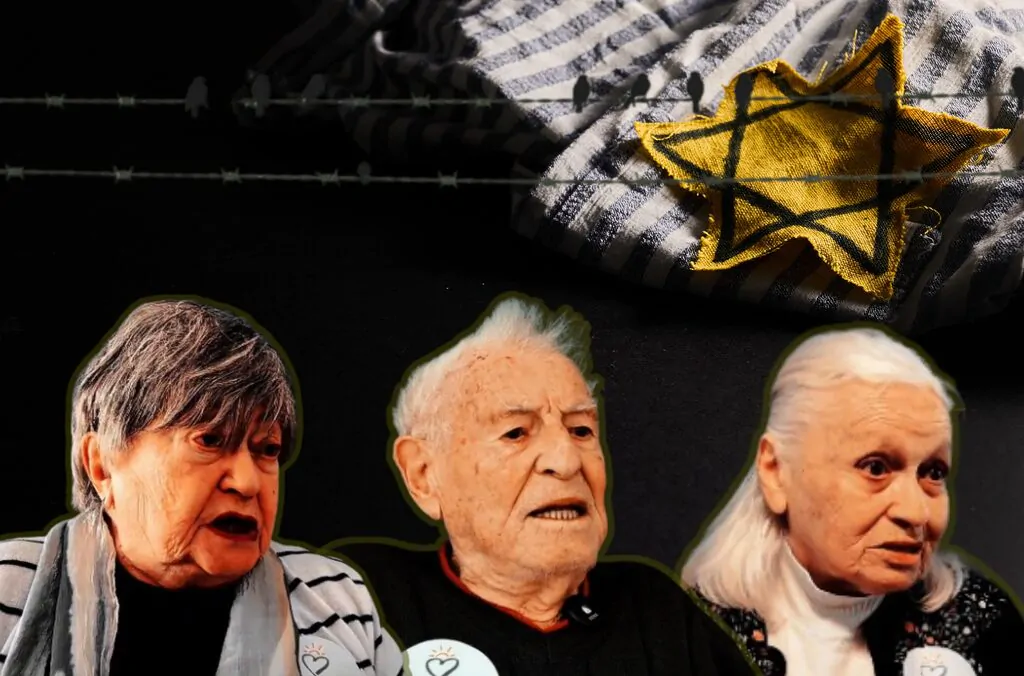
Alongside these global ceremonies, Holocaust survivors supported by the Chasdei Naomi volunteer organization shared raw, deeply personal testimonies from the horrors of 1930s Europe, warning that rising antisemitism today echoes the signs they once knew all too well.
In exclusive testimony, Tzivia Tessler (91) recounted a conversation with her grandson who lives abroad. “I told him: come here, so your children will have a future,” she said.
Tessler described surviving the war as “the finger of God,” recalling how German soldiers beat her grandfather while the family was forced to stand against the wall. Later, her father arranged to hide the family in a pit dug in the ground with the permission of a local villager. “In that pit,” she said, “we lived for almost two years.”
Today, she says, the lesson is unmistakable. “When we left Poland, we left everything and came here. We lived in Beit Shemesh without electricity – using an oil lamp, no gas – and everything was fine. Nobody complained. I told my grandson: you hear what’s happening in Europe. Bring what you have, start over. I hope I’ll live to see all Jews come to the Land of Israel, with love and peace among us.”
Josefina Yerushalmi (85) delivered a similar plea to her family in the United States via Facebook.
“Everything connected to Israel was a miracle for us,” she said emotionally. “My grandfather said we all must come here. Jews once had no weapons, no land, no army, no way to defend themselves. Today we have a state and a strong army. We cannot afford endless internal conflict.”
Referring to October 7, she added: “It was not only a great tragedy—it was also a great shame. Today Jews around the world are afraid to part with their property. I wrote to my family: ‘If you’re afraid to come, send your children.’ No one has answered yet.”
“It’s worse today,” said Menachem Mendel Tsur, nearly 100 years old. “Antisemitism was never this widespread. We had terrible fear then—and that fear is returning. Only the State of Israel can save the Jews who remain in the world.”
He recalled being forced into hard labor at age 13, digging tank trenches, beaten and starved if quotas were not met. “They always knew we were Jews,” he said. “They beat us, called us names. Jews weren’t allowed out of the house freely. We lived in constant fear.”
Moshe Cohen, Executive Director of Chasdei Naomi, said this year’s testimonies carried a different urgency. For survivors who lived through the abyss, today’s surge in antisemitism is not an abstract statistic but a flashing warning sign.
“We always work to ensure survivors have food and warmth,” he said. “But this year we heard deep concern for the future of Jews in the Diaspora. When a Holocaust survivor says he recognizes the same warning signs today, we cannot remain indifferent. Their message is clear: Israel is not just a state—it is the only safe harbor. ‘Come home, now.’”
Antisemitism Today: from Memory to Action
As the world commemorates International Holocaust Remembrance Day, new data published by the World Zionist Organization’s Department for Combating Antisemitism points to a troubling reality. The report finds that 2025 has been marked by the “normalization” of hatred: antisemitism becoming a constant current rather than a reaction to specific events.
Among its findings were:
- 4,574 antisemitic incidents worldwide in the first eight months of 2025, a 10.2% increase year over year—approximately 22 incidents per day.
- 20 people murdered in antisemitic attacks in the past year, including 15 in the Hanukkah massacre in Sydney, Australia.
- A 75–100% surge in extreme antisemitic expressions, including explicit Nazi rhetoric.
- Social media algorithms amplifying anger and extremism, creating “hate echo chambers.”
In the United States alone, FBI data for 2024 recorded 2,321 antisemitic hate crimes, the highest number ever documented, accounting for roughly 70% of all religion-based hate crimes. The ADL documented 9,354 antisemitic incidents, including harassment and vandalism—underscoring how deeply antisemitism has penetrated daily Jewish life.
Ifat Ovadia-Luski, head of the World Zionist Organization’s Department for Combatting Antisemitism, stressed that remembrance must translate into policy: “This report demands action, not just documentation. Holocaust memory obligates us not only to commemorate but to actively protect Jewish lives, identity, and security. On International Holocaust Remembrance Day, the message is clear: not another count of incidents, but a real fight against antisemitism.”
We Don’t Stand Alone
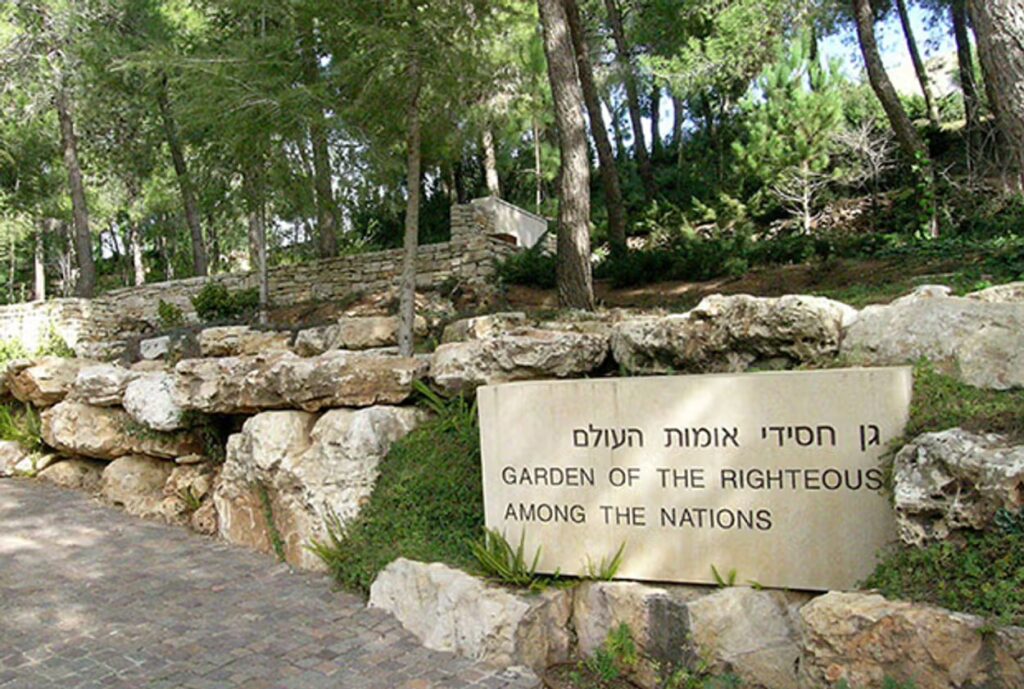
Just as in the darkest chapter of Jewish history there were those recognized as Righteous Among the Nations—men and women who refused to remain silent, who chose moral courage over fear and risked their lives to save Jews during the Holocaust—so too today, the Jewish people are not standing alone. In the face of the renewed surge of antisemitism ignited since October 7, there are voices, communities, and leaders around the world who have chosen to stand with Israel and the Jewish people, to speak truth when lies spread easily, and to defend life and dignity against hatred. Their solidarity is a reminder that even in times of evil, human conscience can still rise – and that the struggle between good and evil is met not only with memory, but with action.
Discussion0
No comments yet — be the first to share your thoughts.