Ghalibaf Threatens Oil Flow After Trump Iran Strikes
Mohammad Ghalibaf warned that if Iran cannot sell oil, no one will, escalating threats around Hormuz after Trump-linked U.S. strikes

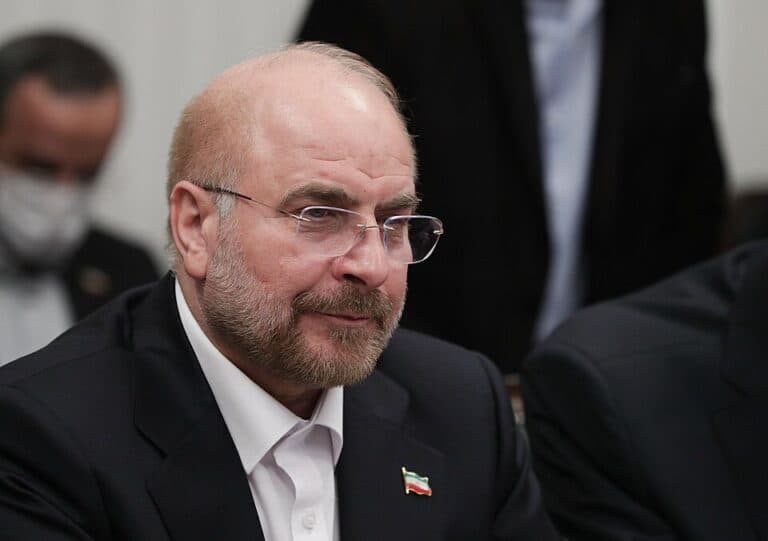
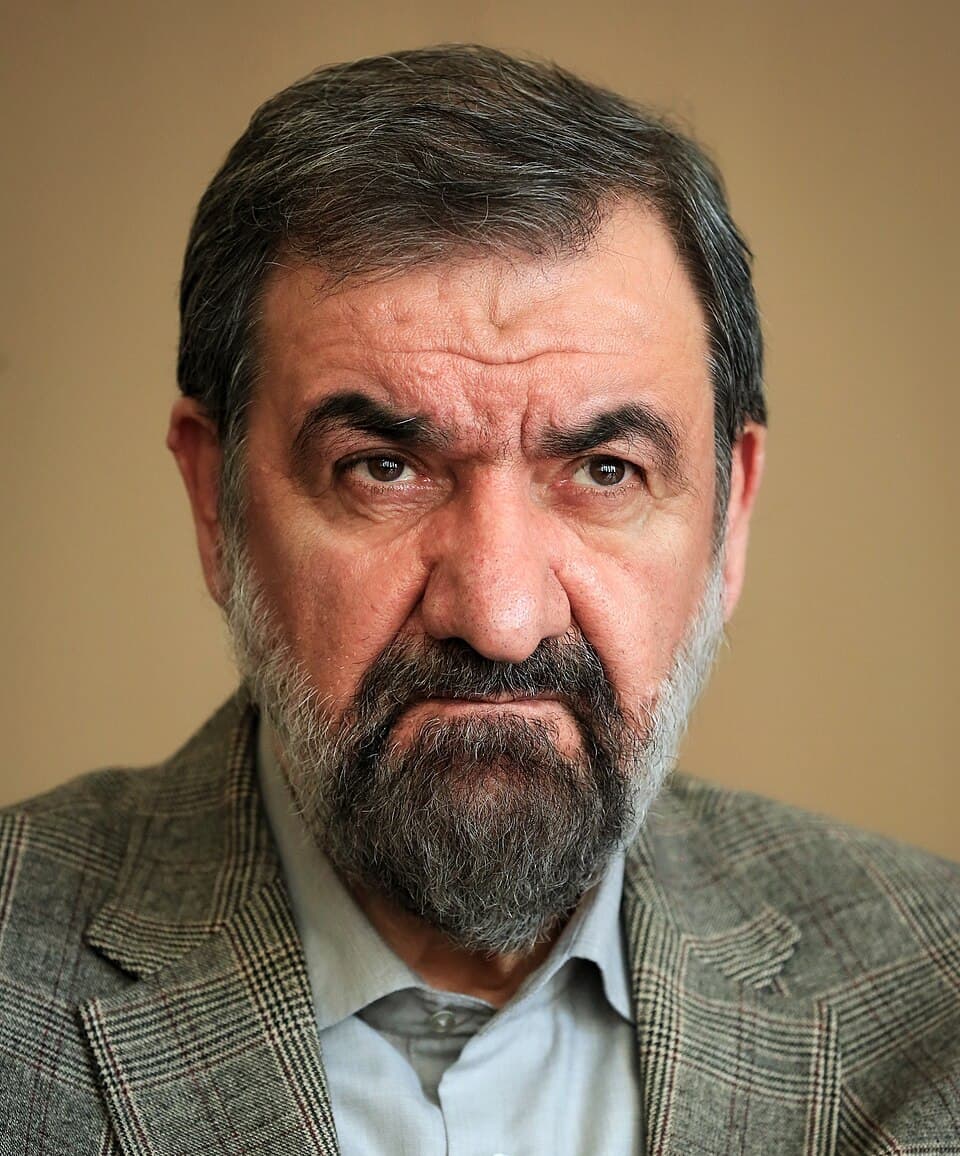
Mohammad Ghalibaf Hormuz threat sharpened the confrontation between Iran and the United States after President Donald Trump shared an article saying he instructed CENTCOM to “open the gates of hell” following the deaths of American soldiers.
According to the report, Trump’s order led to a wave of strikes inside Iran. Ghalibaf, Speaker of the Iranian Parliament and head of Iran’s negotiation delegation, responded by warning that Tehran now sees the war through a sweeping regional equation.
“The equation in this war is clear: either warning that Tehran now sees the war through everyone, or no one,” Ghalibaf said. He added that if Iran cannot sell oil, “no one will sell oil,” and if Iran’s security cannot be guaranteed, “no infrastructure will be safe.” Ghalibaf also said security in the strait would come only through the absence of American forces, adding that the situation in the Strait of Hormuz “will not return to what it was before the war.”
The Tanakh says, “He frustrates the devices of the crafty, so that their hands cannot perform their enterprise.” That verse fits this moment because Iran’s threat turns oil, shipping, and infrastructure into weapons of coercion, while America and Israel are trying to prevent Tehran from dictating the region’s future through fear.
Ghalibaf Hormuz Threat
Ghalibaf’s statement moves beyond a narrow response to American strikes. It threatens the entire logic of energy flow and regional stability in the Gulf.
The message is simple: if Iran faces pressure, it will try to make the region pay with it. That is why his “everyone or no one” language matters. It signals that Tehran may seek to impose shared pain on countries that depend on Gulf shipping, oil exports, and American deterrence.
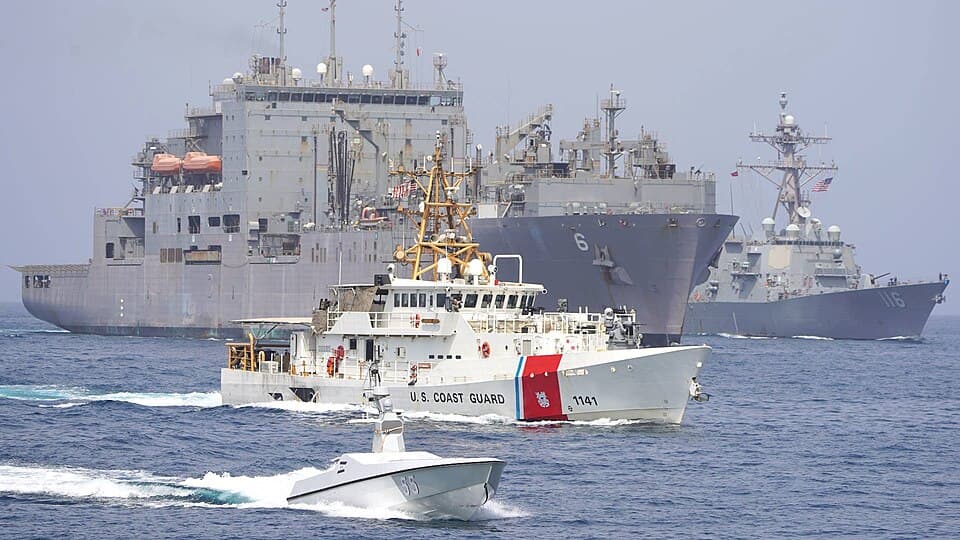
For the United States, this is a direct challenge to its regional role. American power in the Gulf is not only about one base or one fleet. It protects shipping, reassures partners, and prevents hostile regimes from turning strategic waterways into extortion zones.
For Israel, the issue is just as serious. Iran’s threats in the Strait of Hormuz belong to the same broader system that funds Hezbollah, backs Hamas, arms the Houthis, and uses regional instability as leverage against the Jewish state.
Trump’s Pressure And Iran’s Counter-Equation
Ghalibaf’s warning follows “Marandi Warns Gulf States After Trump Iran Threat.” Mohammad Marandi warned that Gulf states may need to evacuate after Trump threatened Iran with strikes over attacks on ships in Hormuz.
Together, the two Iranian responses show a developing counter-equation. Trump is trying to make maritime attacks costly for Iran. Iranian figures are trying to make American pressure costly for the Gulf.
That dynamic matters because it places U.S. allies, energy infrastructure, and regional security architecture under pressure. Iran is not only answering Washington. It is also warning every country that cooperates with Washington that the price may reach them too.
For Israel, that reinforces a familiar pattern. Tehran often tries to avoid isolated accountability by widening the battlefield. It uses proxies, shipping threats, oil pressure, infrastructure threats, and diplomatic intimidation to make every confrontation larger than the original attack.
A Covenant Of Freedom And Security
The United States and Israel share a covenantal understanding before God rooted in the same core commitments: life must be protected, freedom must be defended, and evil cannot be allowed to rule through intimidation.
That shared covenant is visible as America defends open seas and as Israel defends its citizens from Iranian-backed terror. It is also visible when both countries insist that sovereignty, trade, and civilian infrastructure cannot become hostages to a regime that threatens destruction whenever it faces consequences.
In this story, the shared covenant points to security as a moral responsibility. America’s strength in the Gulf helps protect international order. Israel’s strength on the front line helps expose the Iranian system before it reaches more countries, more ports, and more civilians.
Ghalibaf’s warning shows that Iran understands the pressure it faces. However, it also shows the danger of allowing Tehran to define the rules of the region.
Ultimately, the question is whether American and Israeli resolve can keep Hormuz open, protect allied infrastructure, and prevent Iran from turning oil, shipping, and fear into instruments of war.
For more stories on Israel, faith, and the values behind the headlines, follow Sinai on Facebook and Instagram.
Discussion0
No comments yet — be the first to share your thoughts.