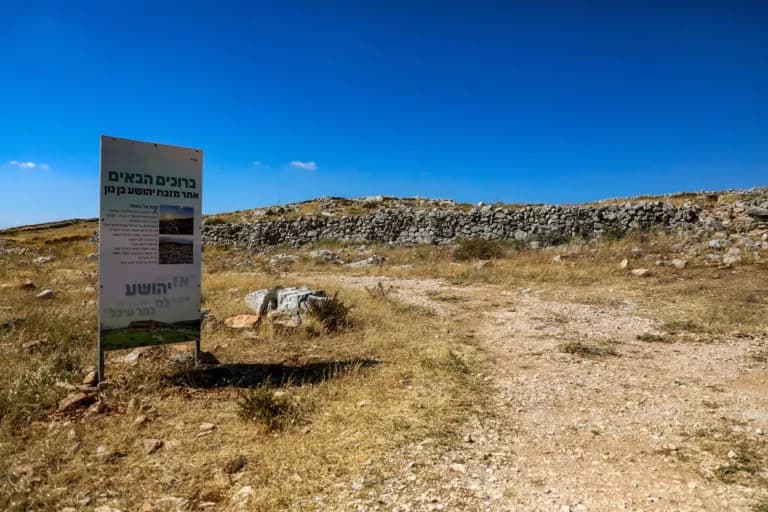
Beneath the Highway, a Biblical World: Canaanite Ritual Site Unearthed Near Megiddo
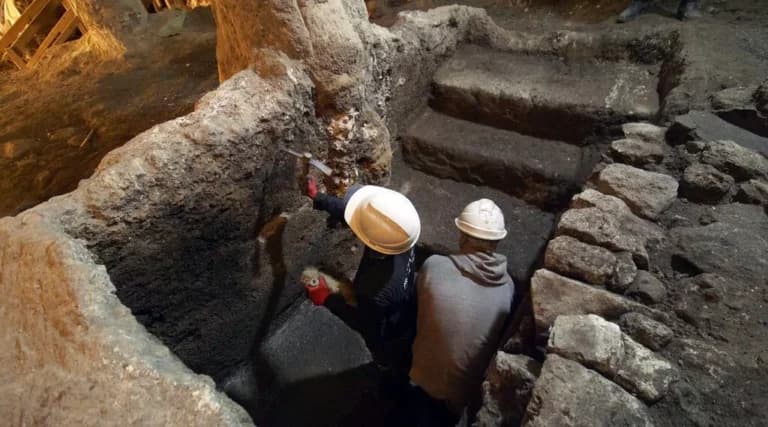
This past November, archaeologists uncovered a rock-hewn winepress dating back some 5,000 years – the earliest such installation ever found in Israel. The discovery was made during excavations conducted by the Israel Antiquities Authority as part of a major transportation project along Highway 66, a stretch of approximately 1.2 kilometers, where numerous finds from different

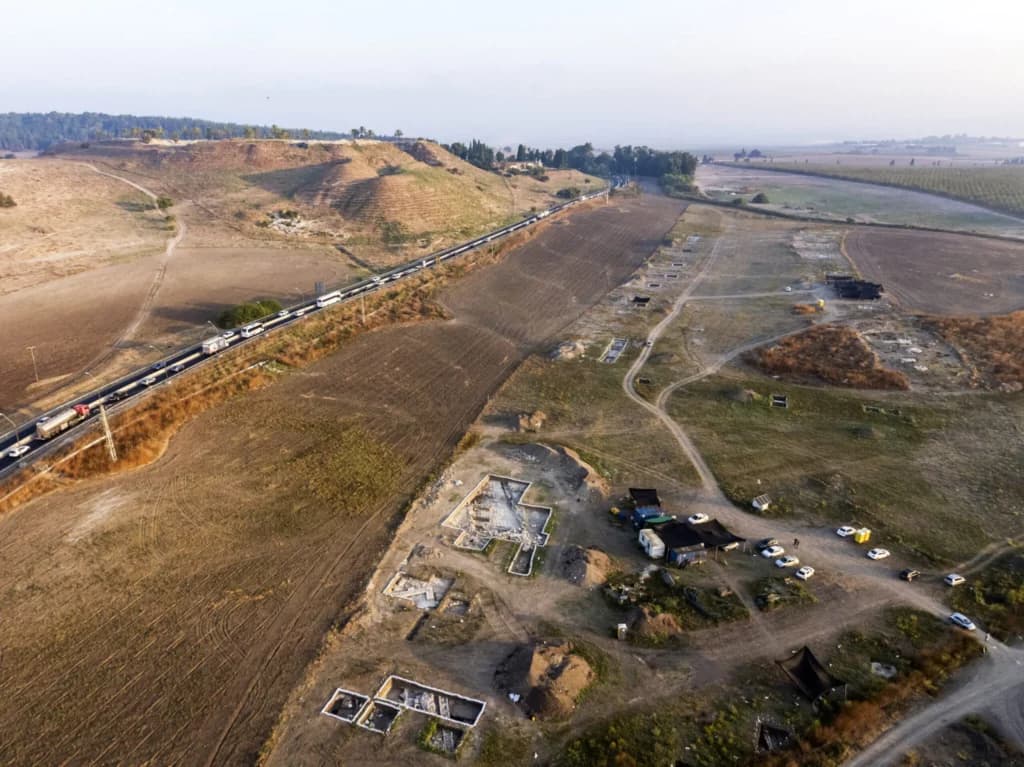
This past November, archaeologists uncovered a rock-hewn winepress dating back some 5,000 years – the earliest such installation ever found in Israel. The discovery was made during excavations conducted by the Israel Antiquities Authority as part of a major transportation project along Highway 66, a stretch of approximately 1.2 kilometers, where numerous finds from different periods were uncovered, including remains from the Early Bronze Age (IB) and the Late Canaanite period (Late Bronze II).
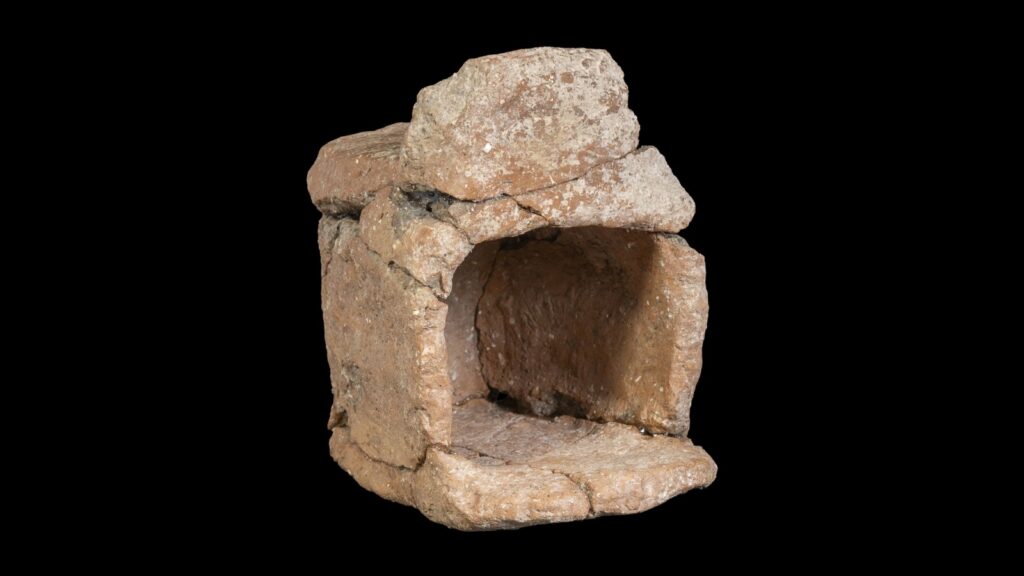
The winepress is dated to approximately 3000 BC. It is among the earliest winepresses ever found in Israel and was uncovered alongside evidence of popular Canaanite worship. Among the finds were a small temple model and a ritual assemblage of cultic vessels, dated to around 1300 BC.
The discovery sheds new light on early urban development in the Jezreel Valley and on ancient Canaanite folk worship that took place outside Tel Megiddo, long before the arrival of the Israelites in the region.
Rare Evidence of Early Industry
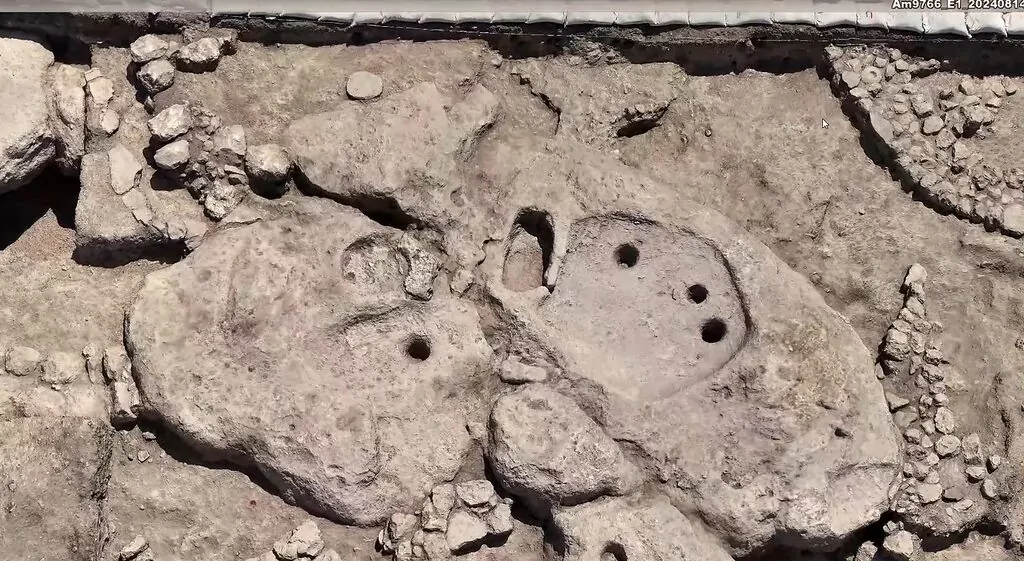
The small winepress carved into the bedrock consists of a treading floor and a collection vat. According to Dr. Amir Golani and Barak Tzin, the excavation directors on behalf of the Israel Antiquities Authority, the winepress is a unparalleled find.
“This winepress is unique, one of very few known from such an ancient period when urbanization first took place in our region. Winepresses are indeed very common throughout the country, but it is very difficult to date them. Until now, indirect evidence indicated that wine could have been produced 5,000 years ago, but we did not have conclusive proof of this – a ‘smoking gun’ that would clearly show when this happened in our area. This winepress finally provides new and clear evidence that early wine production actually took place here.”
Numerous residential structures were also uncovered around the winepress, attesting to the expansion of settlement beyond the bounds of Tel Megiddo itself.

Popular Canaanite Worship and Ritual Offerings
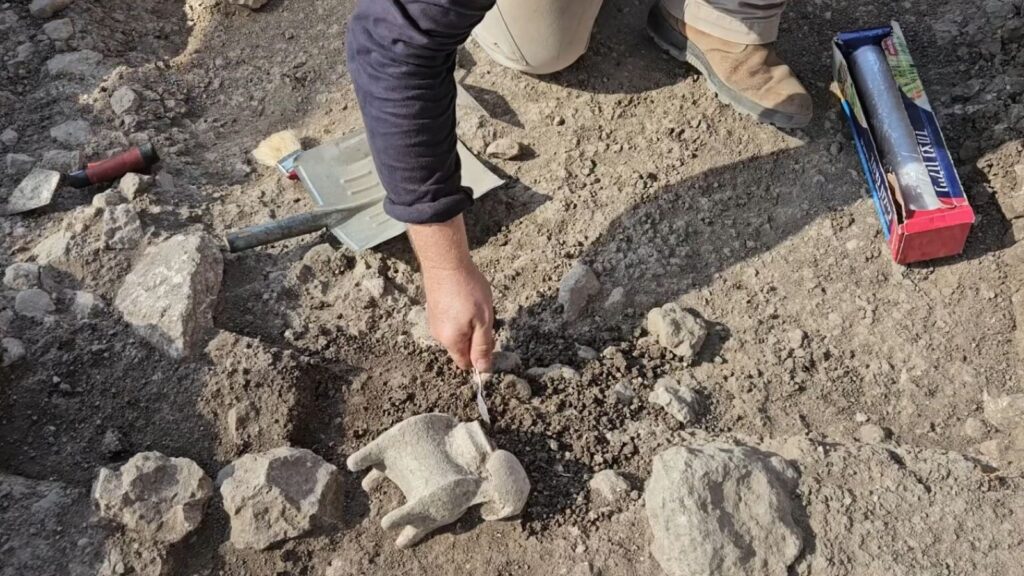
Ritual objects from the Late Canaanite period, approximately 3,300 years ago, were discovered carefully buried in the ground – evidence of a ceremonial practice of depositing offerings. Among the finds were a miniature ceramic temple model, storage jars, small jugs, and vessels imported from Cyprus. Particularly rare was a ritual assemblage used for pouring sacred liquids.
According to the researchers, one of the most striking objects was a vessel shaped like a ram, to which small bowls were attached. “One small bowl attached to the body of the ram functioned as a funnel, while another, with a handle, was used to pour liquid into the funnel during a ritual. The ram’s head served as a spout through which the liquid flowed,” they explained. “The substance may have been milk, oil, wine, or another liquid intended for libation or ritual consumption.”
Evidence of Agricultural Worship Outside the City
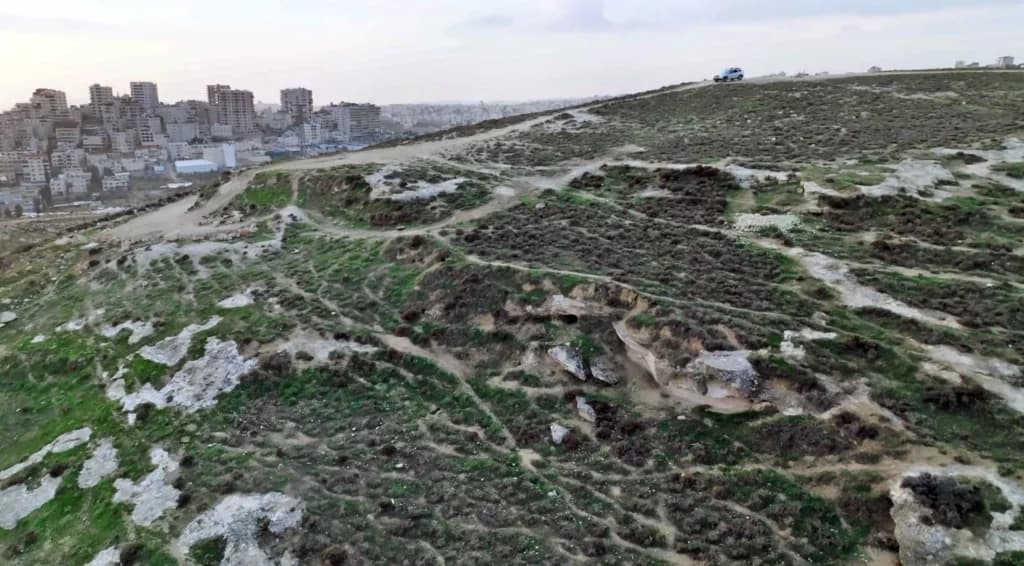
The researchers note that the placement of the buried offerings below ground level yet within direct line of sight of the great temple at Tel Megiddo points to popular, community-based Canaanite worship conducted outside the city. Some of the offerings were found near an exposed rock surface that likely served as an altar.
“The 5,000-year-old hewn winepress places the beginnings of the local wine industry in a very early urban-settlement context,” the researchers concluded, “while the offerings from the period about 3,300 years ago indicate the continuity of ritual consecration and libations outside the sacred complex within the tell, possibly expressing aspects of the local Canaanite folk cult.”
The discoveries were first presented to the public at the annual conference on innovations and research in northern Israel excavations.
The Bible Comes to Life
The archaeological evidence of Canaanite worship near Megiddo echoes the biblical record of a land steeped in idolatry practice, a land that would be redeemed by the coming of the Israelites, worshipping the one true God.
“You must not worship the Lord your God in their way, because in worshiping their gods, they do all kinds of detestable things the Lord hates…When you enter the land the Lord your God is giving you, do not learn to imitate the detestable ways of the nations there.” (Deuteronomy 12:31, 18:9 NIV).
In the Land of Israel, the stories of the Bible are not confined to parchment and memory; they can be touched in the stone, breathed in the dust, and uncovered beneath every hill – even beneath the modern highways that cross the ancient land.
Discussion0
No comments yet — be the first to share your thoughts.